Digital Nomad: how to survive between the physical and digital worlds
More than a year living as a digital nomad: which skills really matter, why pipeline beats talent, and why a visual must be clear.
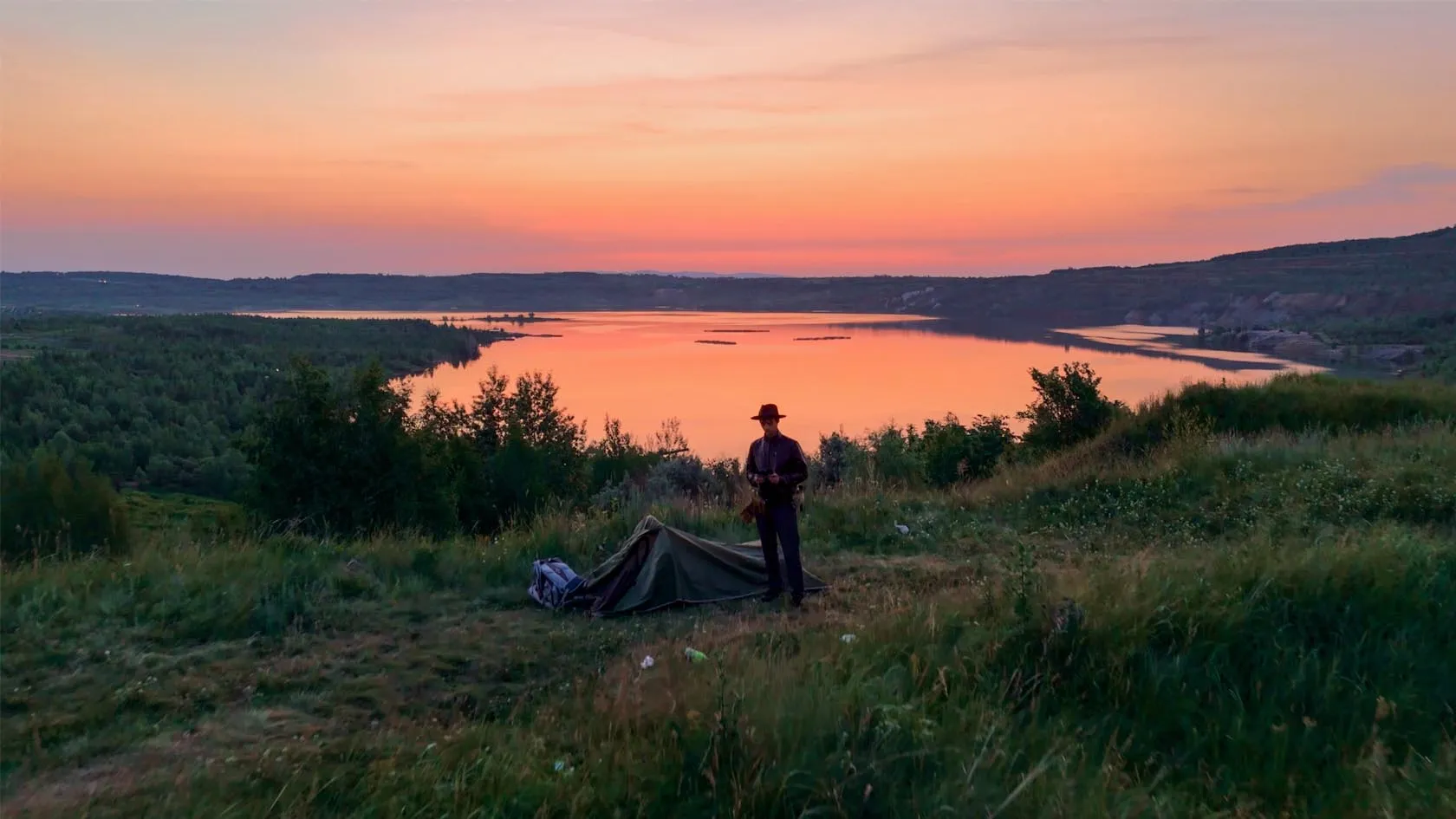
Digital nomadism is often seen superficially: travelling with a laptop, working from cafés, freedom from the office. In practice it is a much more complex model of life and work. It means existing constantly in two environments, physical and digital, and the ability to keep a balance between them becomes the key skill.
I have lived this way for more than a year without a break, working in CGI, 3D animation, light, video and marketing visual tools. This experience showed me which skills really matter for sustainable work away from any single place, and why digital nomadism builds strong specialists, not just “remote workers”.
Life on the road is not romance but constant adaptation:
- unstable internet;
- changing time zones;
- new cultures and languages;
- unpredictable living and working conditions.
But this is exactly where skills grow that directly affect professional results:
- fast decision-making;
- working under uncertainty;
- responsibility for the result without outside control;
- the ability to finish projects in any context.
These same qualities are critical in technology and creative industries, where there are no “ideal conditions” and everything changes faster than instructions.
Remote work is not about a free schedule but about self-discipline. If you work with 3D, video, marketing visuals or product design, the result is judged by quality, not by process.
Over the years I have come to a few practical conclusions:
- pipeline matters more than talent: a clear production structure saves you in any conditions;
- versatility is valued above narrow specialisation, especially in small and medium teams;
- a visual today is not “pretty” but “clear”: a product must read both in real and in digital space.
My practice with realistic lighting, renders and video is an attempt to convey physical reality in digital form as precisely as possible. When a person “feels” a product through the screen, trust and understanding grow many times over.
CGI, motion design, video and real-time engines are not just tools. They are a bridge between a physical product and a digital user, between an idea and the market, between a complex technology and simple perception.
When people increasingly make decisions online, the quality of the visual translation of reality becomes a competitive advantage. Whether you sell lighting equipment, a service or a digital product, the way you explain its essence visually decides.
Honest recommendations
This format is not for everyone, but if you are considering it:
- Master skills that scale remotely. 3D, video, design, development, analytics, marketing: anything you can measure by results.
- Build a sustainable pipeline, not a dependence on inspiration. Projects must get done even when the mood and conditions are not ideal.
- Learn to work at the junction of disciplines. The better you understand the product, marketing and technology as a whole, the higher your value.
- Physical experience strengthens digital. An understanding of light, space, movement and human emotion cannot be gained from a screen alone.
Digital nomadism is not an escape from reality. It is a way to go deeper into it while keeping professional standing, and to create new forms of interaction between people, products and technology.
When physical experience begins to strengthen digital work, and digital skills help you make sense of the real world, it becomes possible to create things that are truly alive and needed.
First published in Russian on Astana Hub; translated into English.