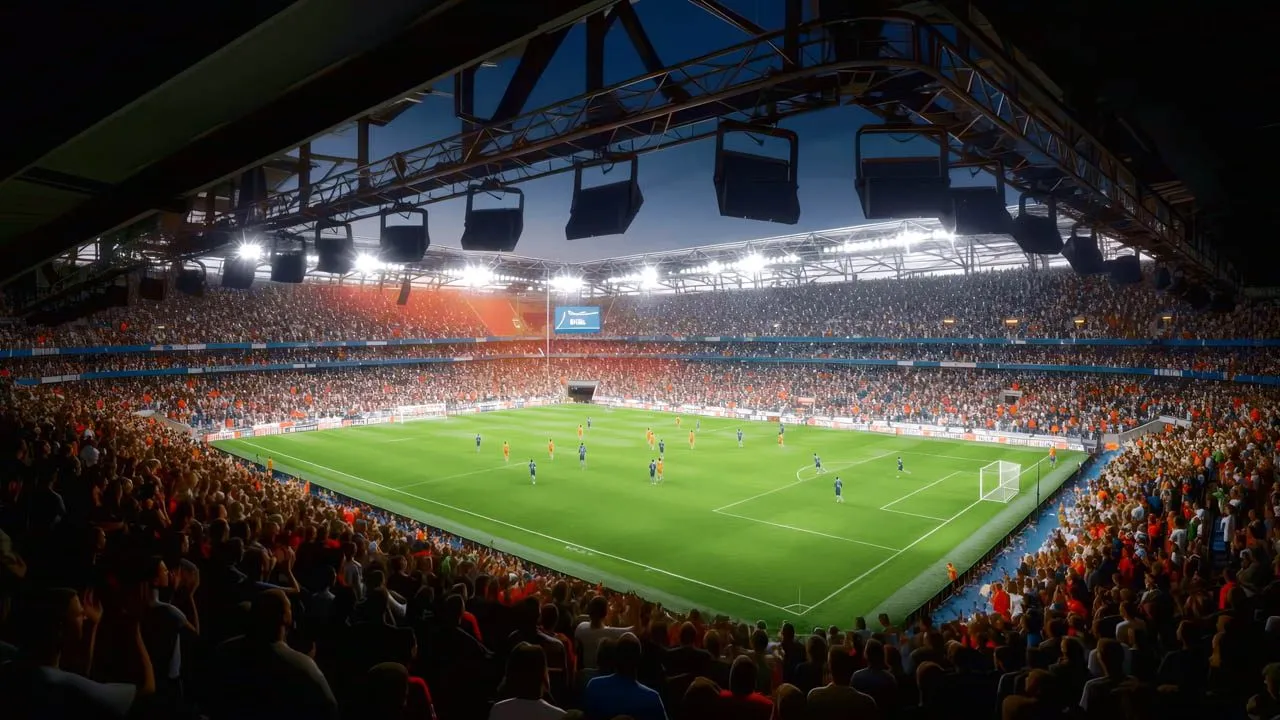
Ultimatum: working with light as a drama of space
An AI and 3D motion design project in a sports environment: how a floodlight became a character, and why every key decision was still made by hand.

My experience with an AI and 3D motion design project in a sports environment.
For me, working on the Ultimatum project was an exploration of how light can stop being an auxiliary technical element and become a full participant in visual storytelling. The goal was not just to show a lighting device, but to visualise its effect on the space, the rhythm and the emotional perception of a sports arena.
Speed is not the limit
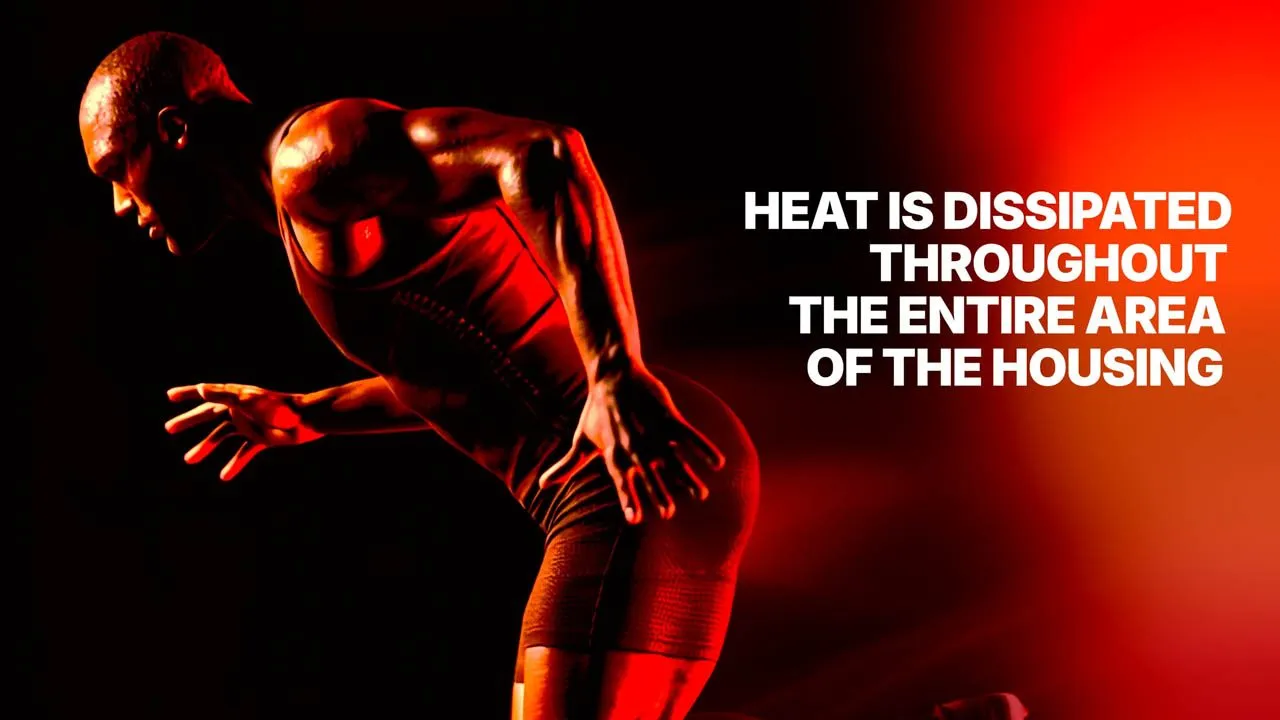
From the start I treated light not as a source of illumination but as an active force that shapes the atmosphere of an event. In sport, light determines more than visibility: it sets the tension, the scale, the sense of dynamics and how involved the viewer feels. That understanding became the basis of the whole concept.

Light as a character
In the drama of the film, light becomes a character. It builds the space, emphasises textures, accents movement and sets the emotional tone. The visual language is built around one idea: concentrated energy. It is pure, directed and engineering-precise, and at the same time emotionally charged.
Finding the style meant balancing industrial rigour against cinematic expression. I wanted to keep the feeling of engineering precision and function without sliding into abstract aestheticism. At the same time a sports environment demands high visual dynamics, rhythm and contrast. The result is a hybrid: strict materiality and technical clarity, amplified by the language of sports cinema and CGI production.
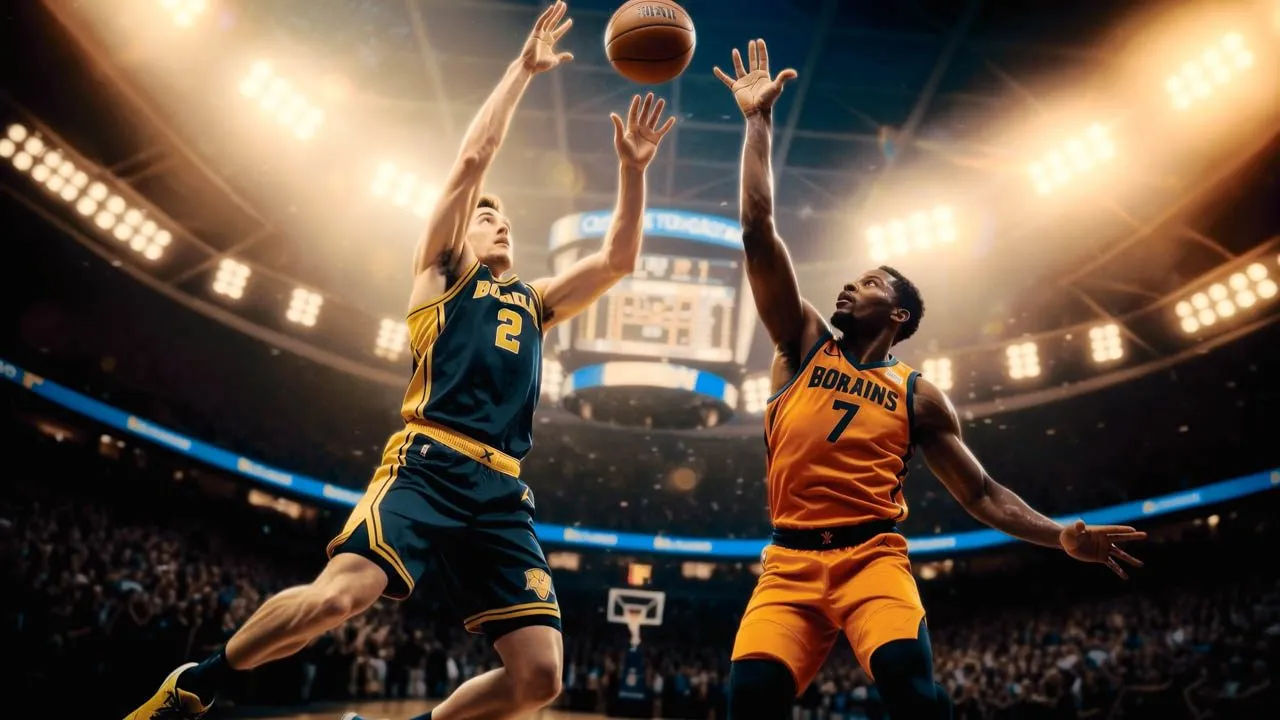
A hybrid pipeline
The production was a hybrid pipeline. At an early stage I used AI generation to search for visual hypotheses and to work on mood and the general plasticity of the frame. That let me explore many possible solutions quickly and find a direction without fixing it too early. All key artistic and technical decisions, however, were made and executed by hand.
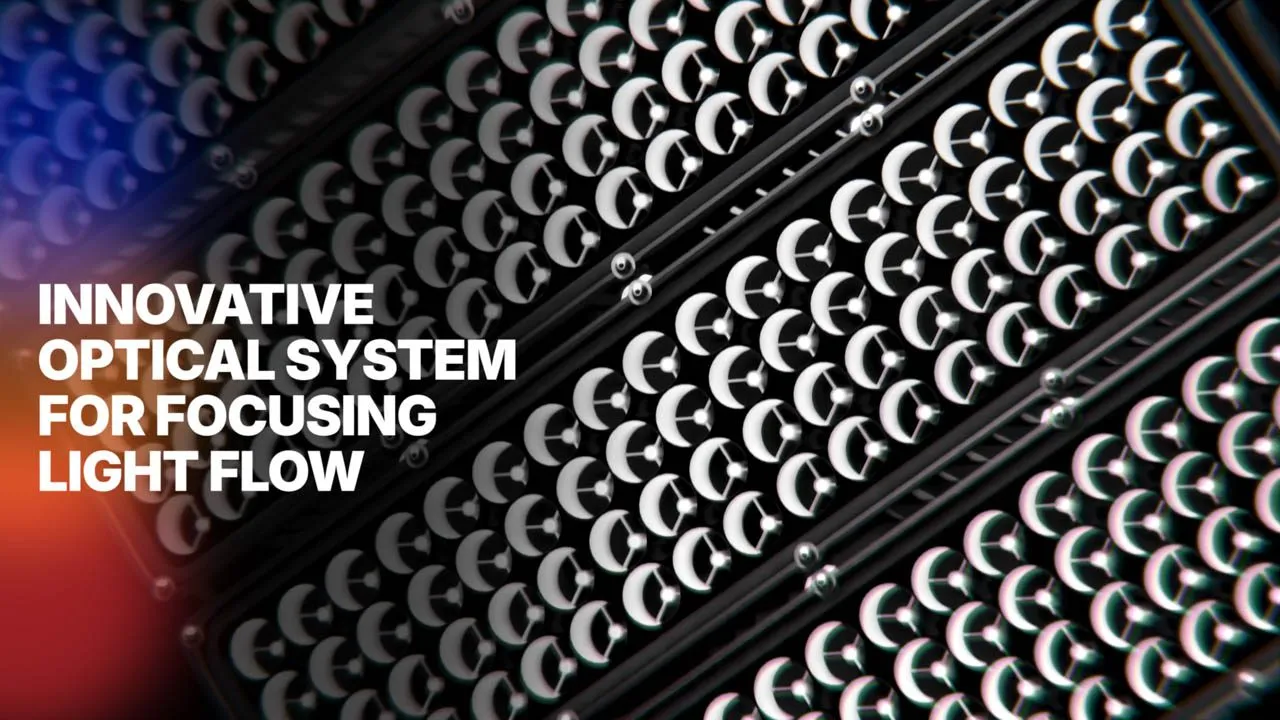
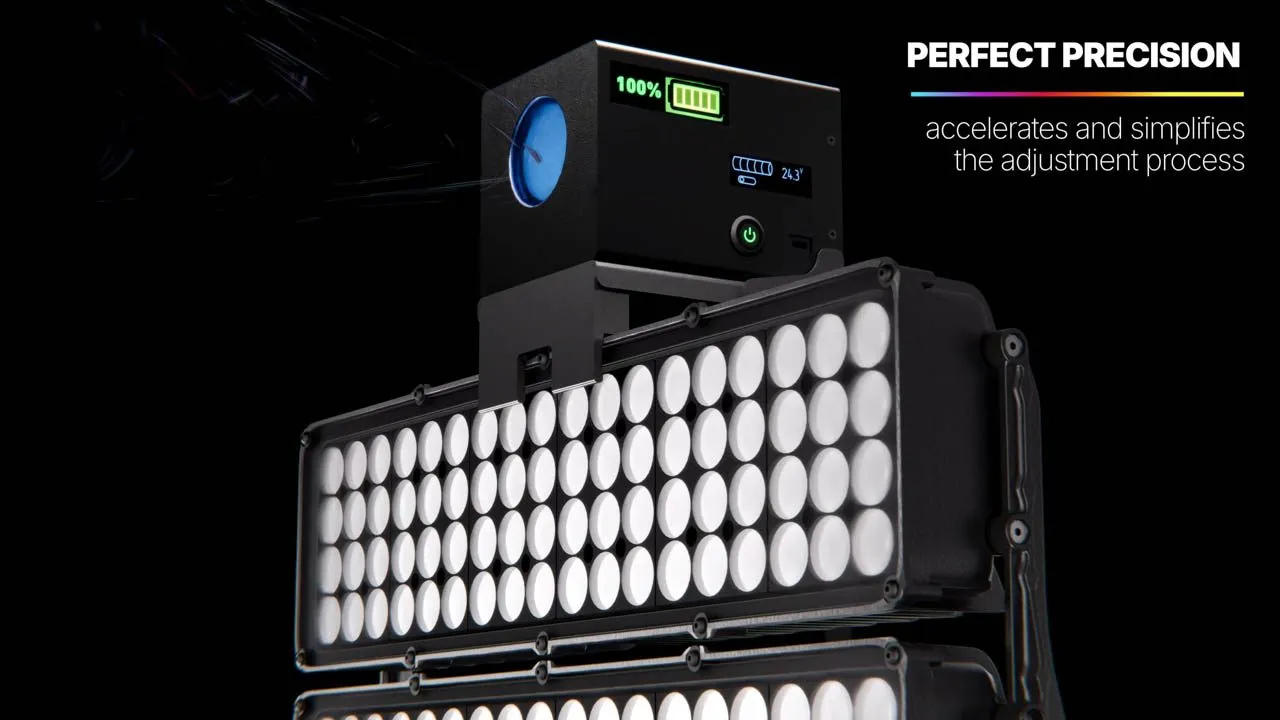
Presentation of the floodlight
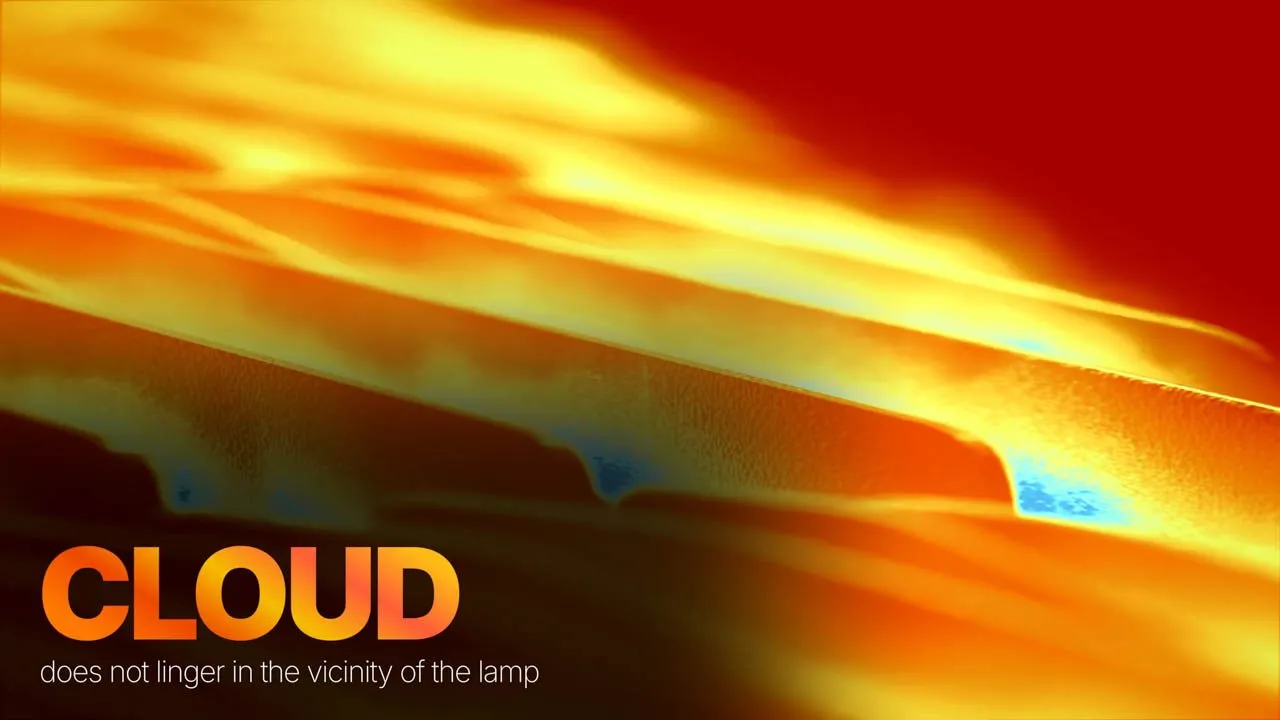
The main 3D work was done in Blender, with special attention to the physical credibility of materials. Metal was treated not as a uniform surface but as the result of industrial processing: micron-scale irregularities, heat marks, varying roughness and reflectivity. For this I used complex node networks, procedural textures, micro-displacement and careful work on roughness maps. The aim was for light on the surface to behave as it does in reality, not to be beautiful by default.
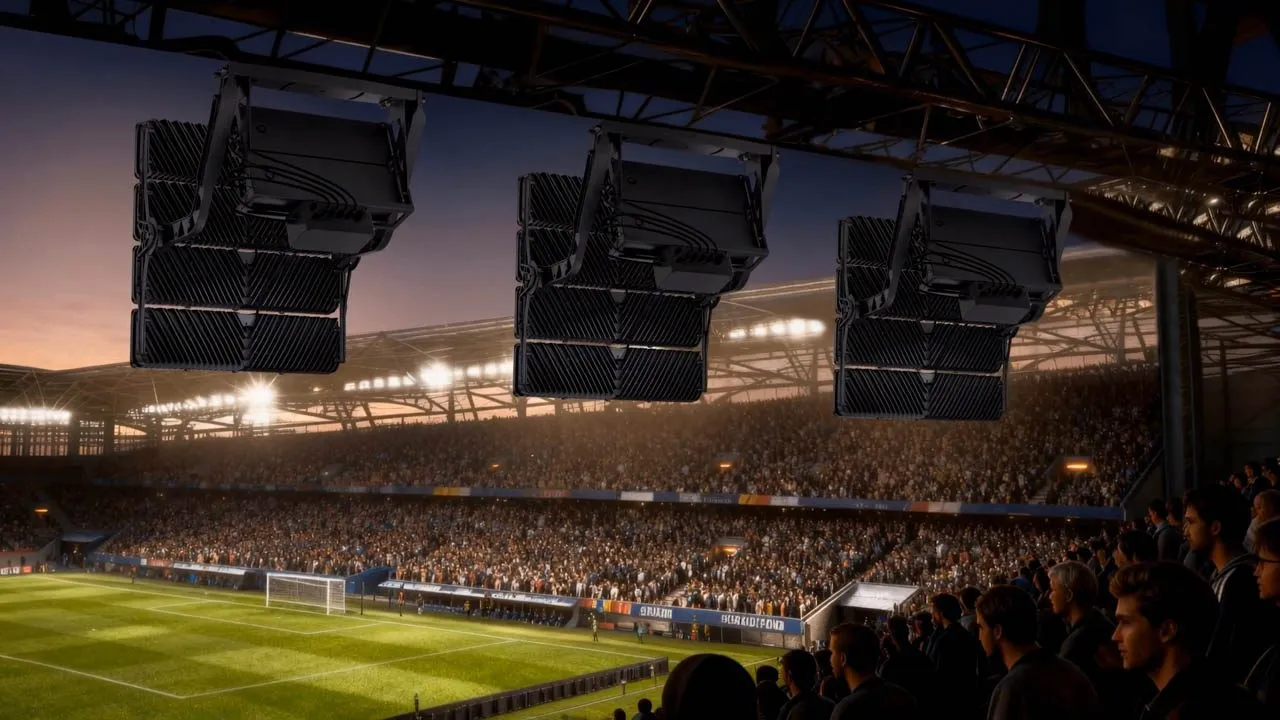
Light in a stadium
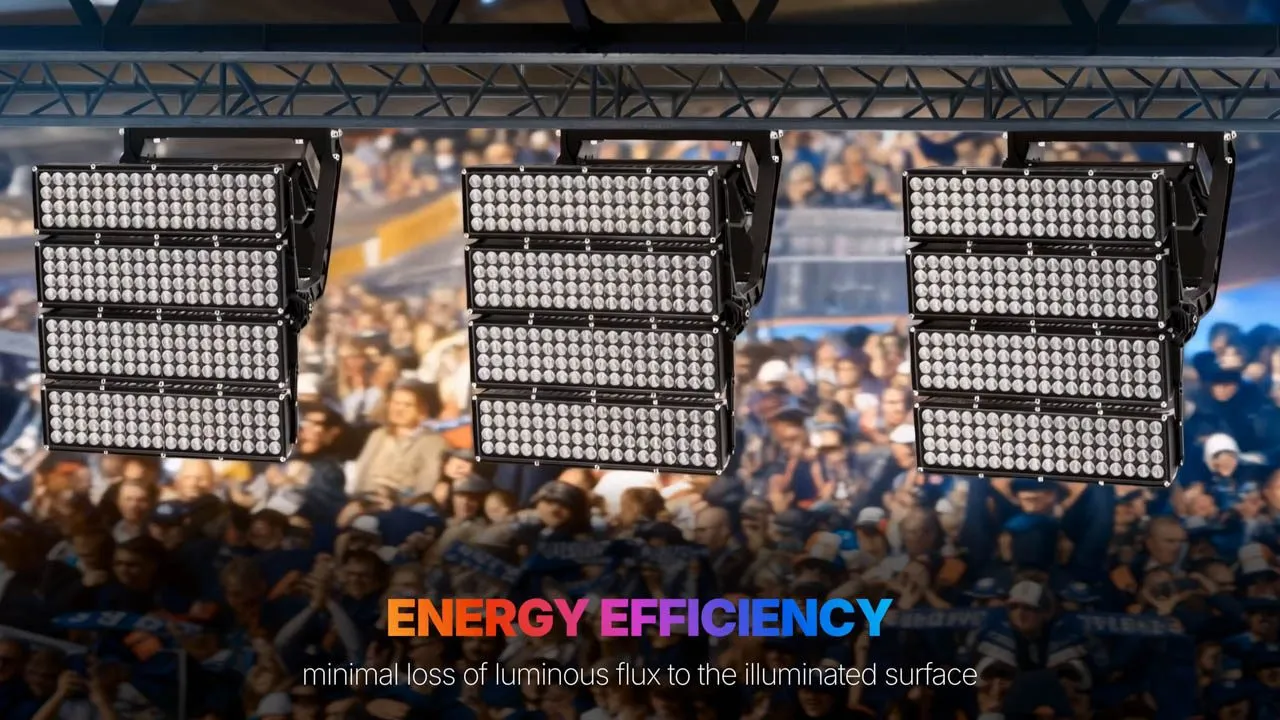
A separate technical challenge was simulating the behaviour of light in a large stadium. I cared not only about intensity but about the secondary effects: scattering, bloom, bokeh, optical breathing and the tonal response of digital cinema cameras. The light had to feel massive and long-range, yet controlled and precise. That took many iterations and tests, because even small changes to the scene parameters radically changed the sense of scale.
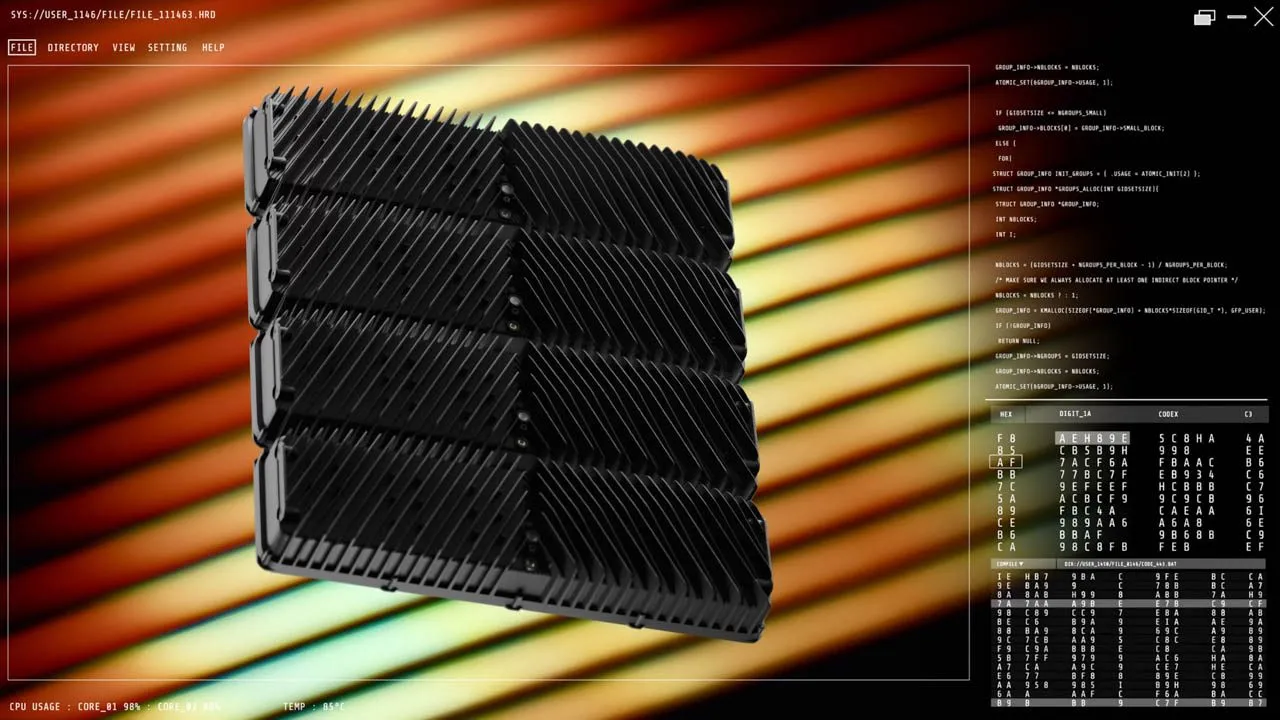
Camera and rhythm
For motion design and cinematics I worked with the principles of sports advertising and broadcast. The camera behaves aggressively and confidently: fast fly-throughs, macro shots of details, sharp changes of depth of field. I deliberately used techniques typical of big-budget sports films: a feeling of speed, weight and kinetic energy. The camera animation is parametric, with precise control of timing and trajectories, to create the effect of moving through the vast space of the arena.
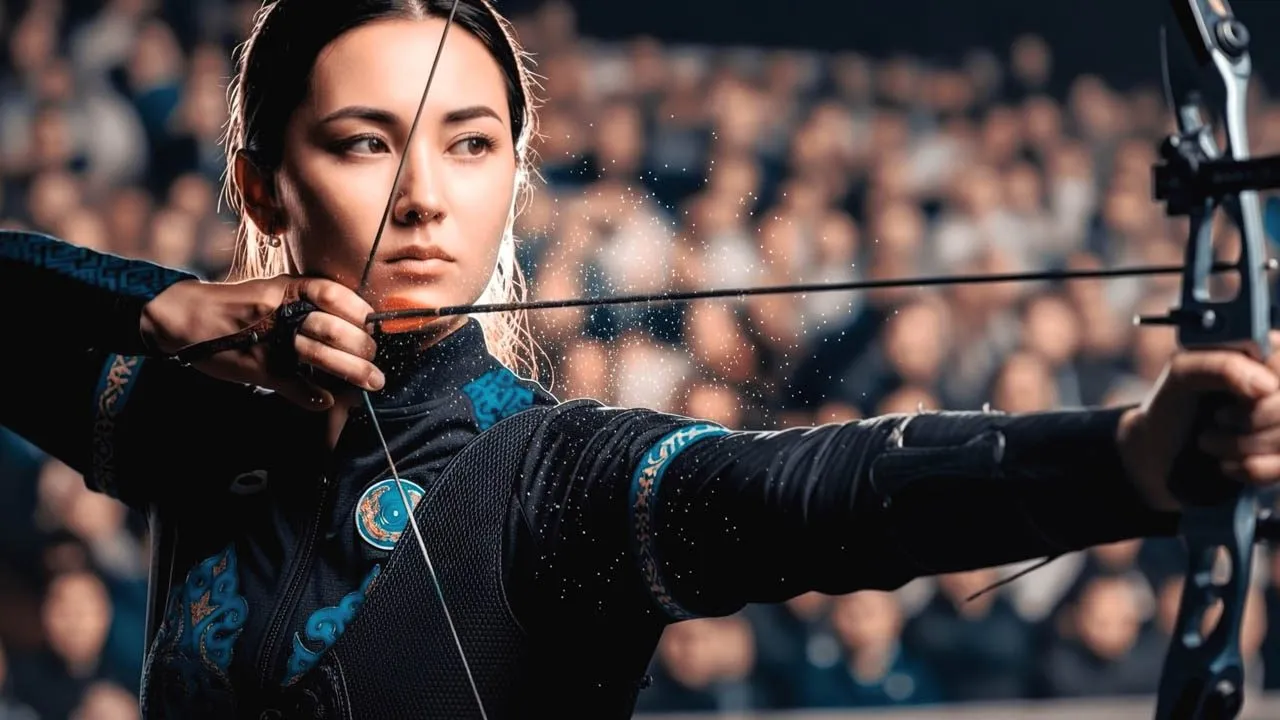
Rhythm got special attention. Every frame had to be felt physically, not only as an image but as the movement of mass and energy. That required a constant balance between technical correctness and an artistic departure from the ideal: for the sake of expression I sometimes had to deviate on purpose from the “right” decision.
The role of AI
AI played a supporting role. It sped up the search stage and helped shape visual directions, but the final quality came only from manual refinement. Perspective, the physics of light, the behaviour of materials, composition and animation all needed direct artistic control. The workflow that emerged is hybrid: automation amplifies professional thinking but does not replace it.
What the project proved
Ultimatum showed me that in complex CGI work the key value is not the tools but the ability to manage the system. Modern technology gives incredible power, but it is manual work, a trained eye and an understanding of visual drama that turn a set of calculations into a complete and convincing media statement.
In the end this project is not just a product demonstration. It is an exploration of how light, movement and space can work together to create a sense of scale, power and emotional tension. That is the point where technique stops being a background and becomes a language.