Home / Journal / Cinematography
Lighting Faces: Rembrandt, Short and Broad Light, Fresnel vs Softbox
Rembrandt, short and broad lighting, the terminator, hard versus diffused light, softbox versus silk frame, and backlighting heads and bald subjects.
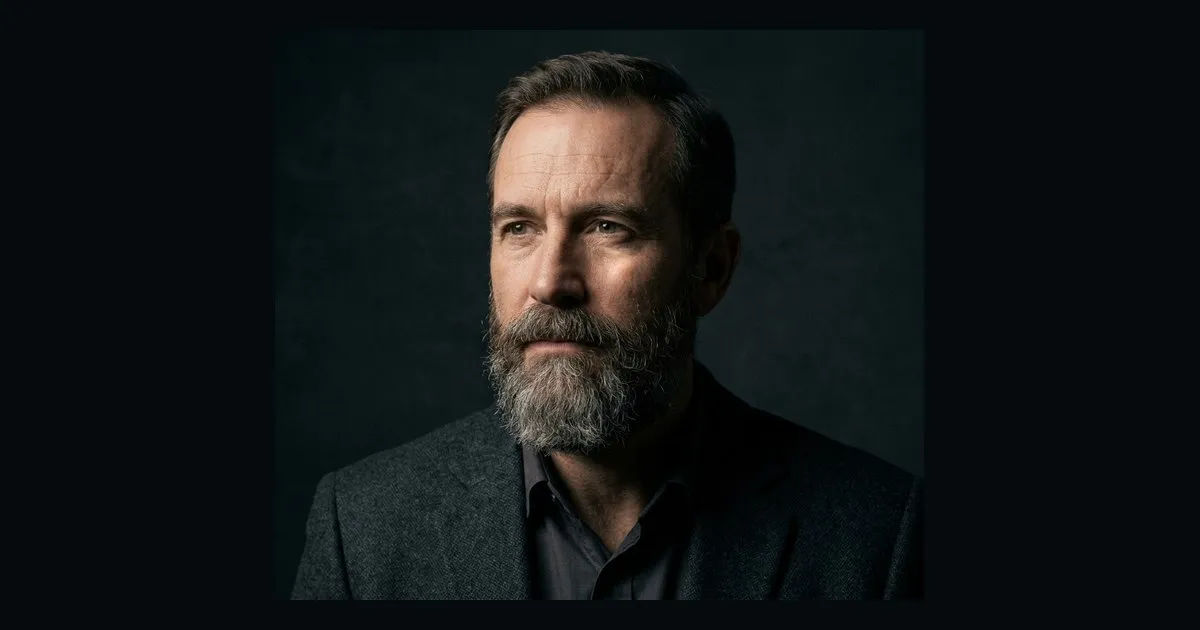
The size and distance of a light decide how a face looks. This article explains how a face reads under hard and soft light, then walks through the classic arrangements, Rembrandt, short and broad, and compares a Fresnel with a softbox at each clock position around the actor.
Key points
- The quality of the key, hard, soft or shadowless, depends on the physical size of the source and its distance from the subject.
- A broad, feathered transition from highlight to shadow means a large soft source. A sharp, abrupt one means a small hard source.
- Rembrandt lighting: move the key to the side until the nose shadow joins the cheek shadow and leaves a small inverted triangle of light on the shadow-side cheek.
- Short lighting lights the side of the face turned away from the camera and narrows the face. Broad lighting lights the side turned toward the camera and widens it.
- A large source placed far away becomes relatively small, so its shadows harden. Moving it closer makes it relatively larger and its shadows softer.
How a face reads
Skin shows three tones. Diffuse tones are the true skin colour under soft light. Shadow tones are the form shadows that define the jaw, nose and cheekbones; keep them transparent to preserve depth. Specular highlights are reflections of the source on skin oils, and they reveal bone structure whatever the base skin tone. Two transitions tell the story. The terminator, the highlight-to-shadow edge, is wide when the source is large and sharp when it is small. The specular edge, the highlight-to-glare transition, shows surface finish: sweat, oil and smooth skin give tight bright highlights, while powder and matte makeup spread them into a soft sheen. Hard shadows make pores and lines prominent, and soft light smooths them.
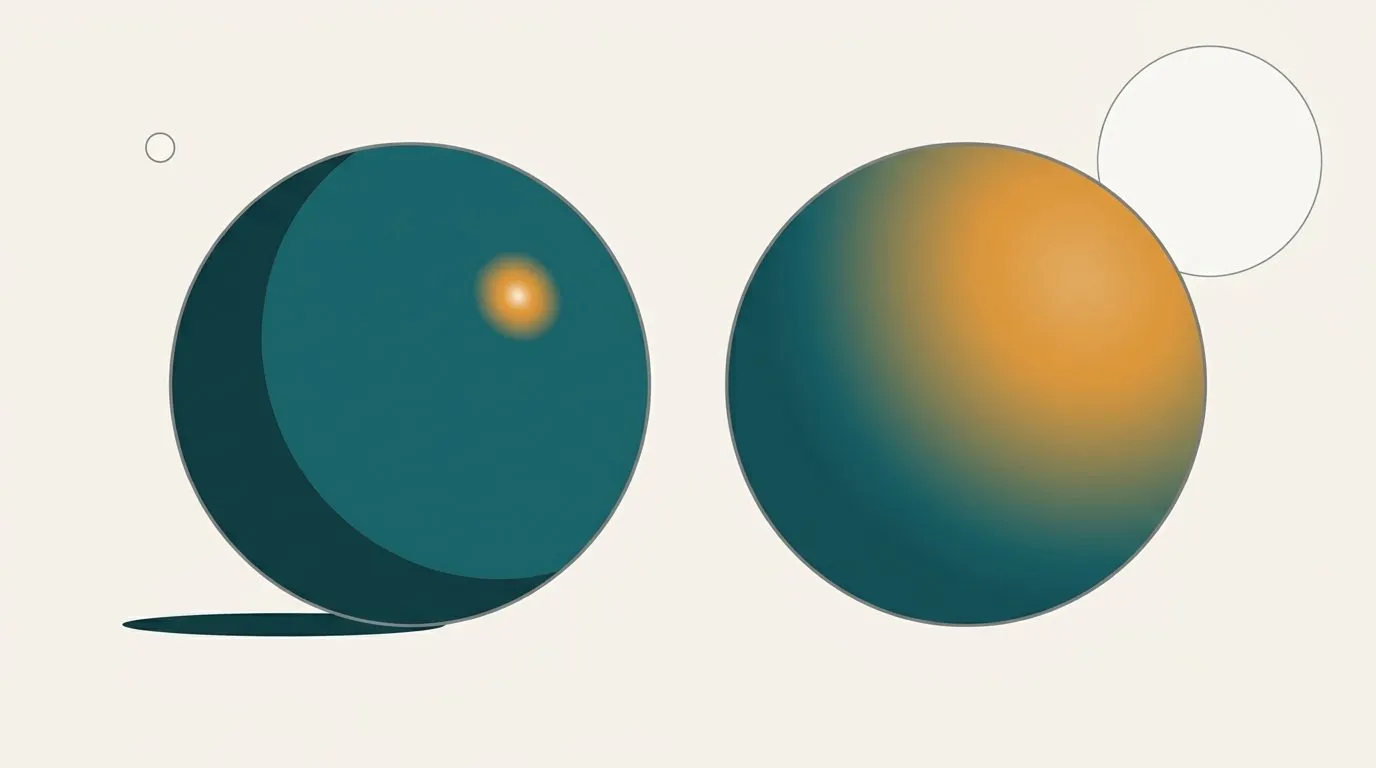
Highlight-to-shadow and highlight-to-glare transitions
Rembrandt, short and broad
In Rembrandt lighting the key moves to the side and up until the shadow of the nose meets the shadow of the cheek and encloses a small triangle of light. The width of the triangle changes when the subject turns, and fixture height moves it up or down the face.
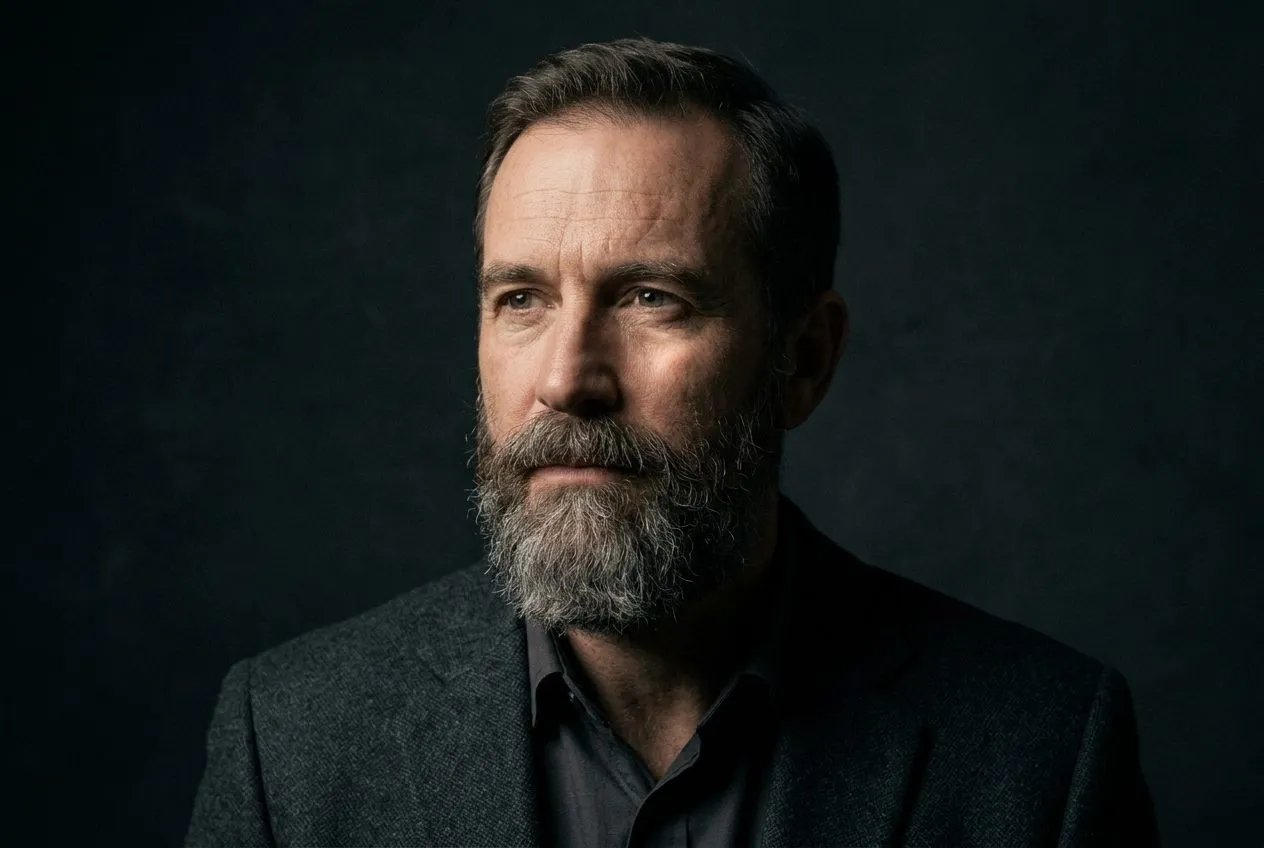
Rembrandt lighting
For short and broad lighting, the talent turns three-quarters to the lens. In short lighting the key lights the side away from the camera, so the cheek nearest the lens is in shadow, which narrows a wide face and adds depth. In broad lighting the key lights the side toward the camera, which widens a narrow face. A soft bounce on the shadow side keeps shadows transparent.
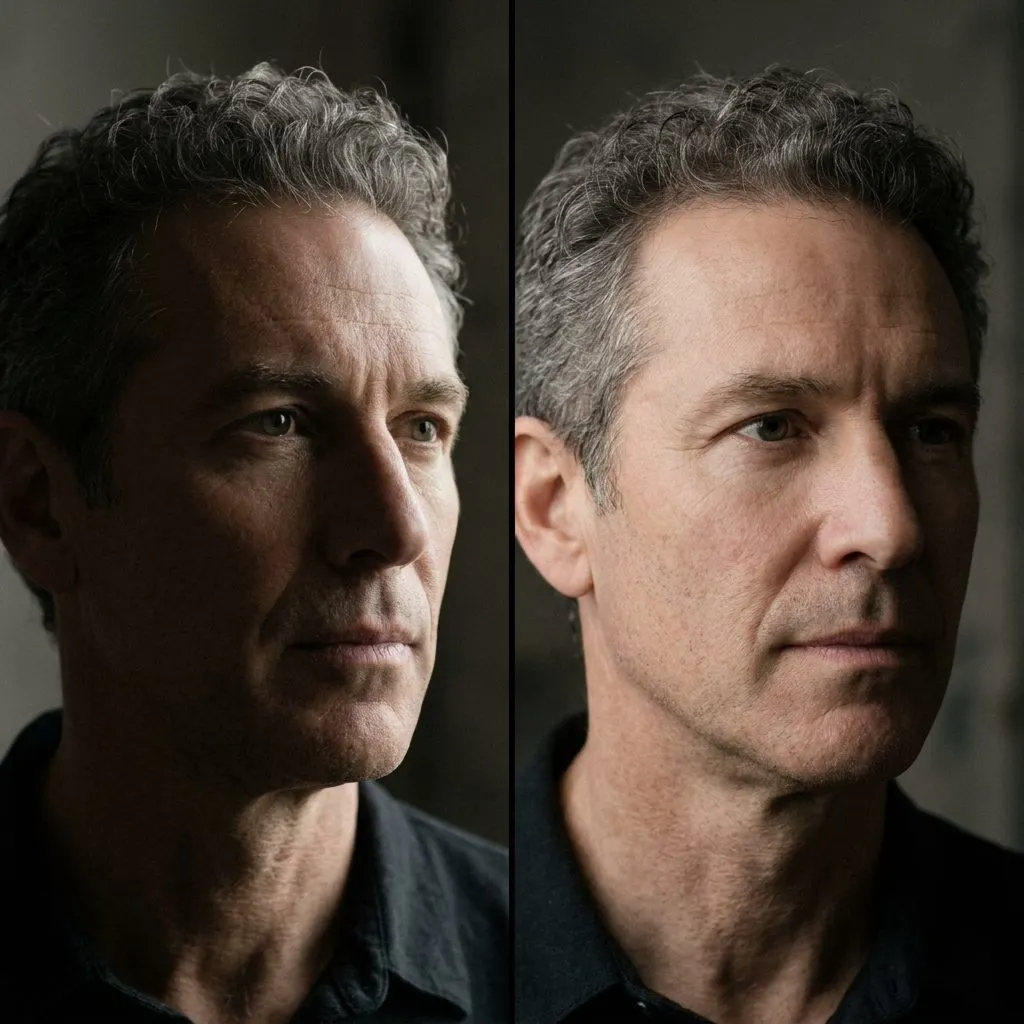
Short lighting vs. broad lighting
Hard, frosted and framed light
A raw light with trimmed barn doors gives sharp shadow edges, bright specular reflections on forehead and nose, and a crisp nose shadow that can look harsh. One layer of frost keeps the highlights punchy and starts to soften edges while keeping direction. A 4×4 ft frame in front of the fixture makes the source as large as the frame: form shadows turn soft and feathered and the glare spreads into a gentle sheen.
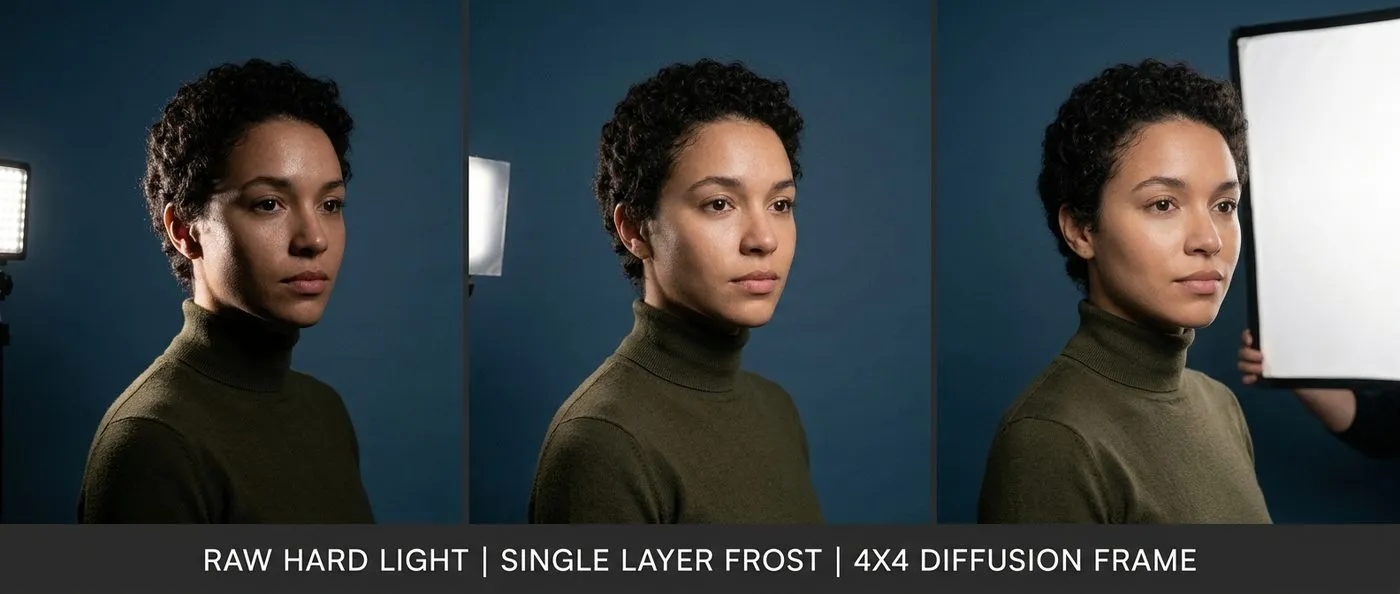
Raw light, single frost and 4×4 frost frame
A compact softbox removes the sharp edge on the nose shadow, wraps around the cheekbones and gives a clean rectangular catchlight. A large lightbank wraps deeper, with open soft shadows. A 4×4 ft silk frame with the fixture backed away to fill it gives the softest, most natural transition, kept in contrast by a dark passive return, or negative fill, on the opposite side.
Fresnel and softbox around the clock
Seen from above, the actor’s position in a clock face gives a quick comparison.
| Position | Fresnel | Softbox |
|---|---|---|
| 1:00 | Hard edge, half the face in deep shadow, stark nose shadow | Smooth transition, subtle modelling, open shadows |
| 2:00 | Classic Rembrandt triangle, bright specular highlights | Soft triangle, gentle falloff, transparent shadows |
| 3:00 (side) | Split lighting with a harsh line down the nose | Soft split that wraps around the bridge of the nose |
| 4:00 (three-quarter back) | Hard cheek rim, the rest of the face dark | Wide luminous edge wrapping toward the eye |
| 5:00–7:30 | Sharp, high-intensity rim that carves the jaw | Soft glowing rim over hair, shoulder and cheek |
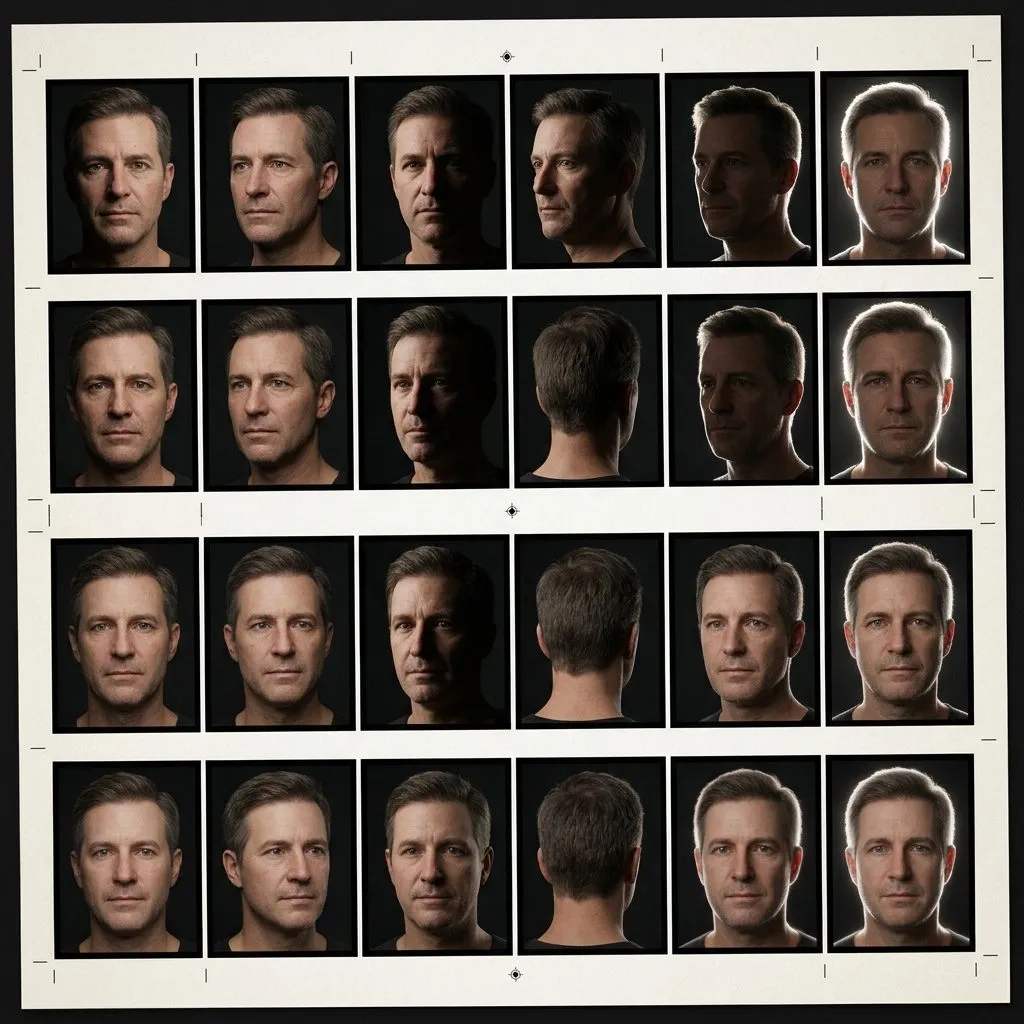
Fresnel vs. softbox at different clock positions
In short: a Fresnel is hard, punchy and directional, can be focused to a spot or opened to a flood, and carves bold structure. A softbox or diffusion frame is soft and wrapping, flatters skin and leaves clean natural catchlights.
Backlighting the head
A backlight separates head and shoulders from a dark background. A small hard source overhead casts crisp rim highlights; drop the barn doors to keep spill off the face and chest. To enlarge the highlight on the crown, enlarge the source or bring a soft source closer and dim it.
For a bald or thinning subject, a hard backlight can create harsh hot spots on the scalp. The progression is instructive: with no backlight the head merges with the dark background; a hard backlight about 1.5 stops above the key blows out scalp and ears; frost reduced by ¾ stop tames glare but a hot spot remains on the crown; a softbox spreads the highlight into a broad, flattering sheen. For shoulder separation add a separate hard kicker on the shoulders from off-axis. An alternative is a soft overhead backlight: rig a bounce card or diffusion panel 1–2 m above the head, aim an off-camera spot up into it with barn doors flagging spill off the face, and the soft downward bounce wraps shoulders and hair without hot spots.
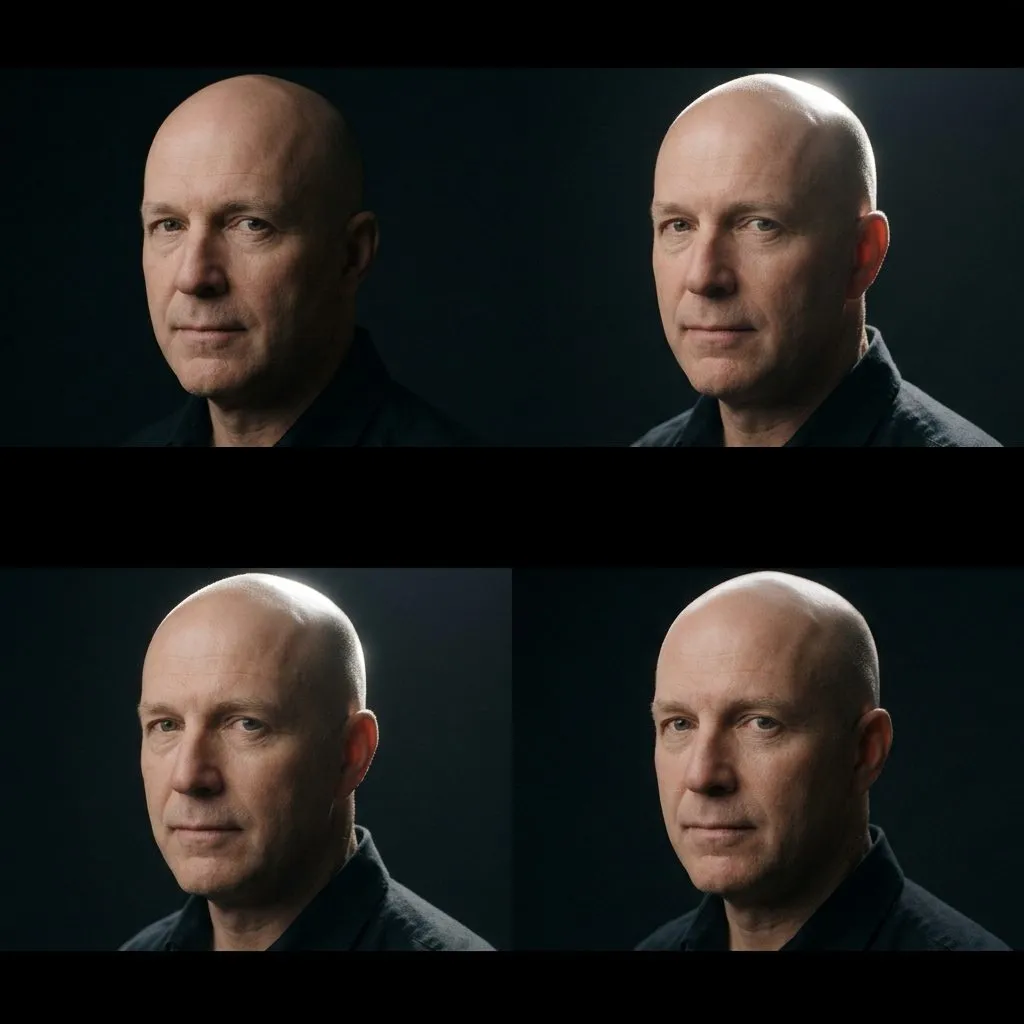
Backlighting a bald subject
Quick answers
How do I soften a hard light quickly? Make the source larger or move it closer; add diffusion in front of the light.
What is the difference between short and broad lighting? Short lights the far side of the face and slims it; broad lights the near side and widens it.
Why is a Rembrandt triangle useful? It is a visible sign that the key is at the right height and angle to model the face with one shadow.
Read next
- Portrait and Still-Life Lighting: Posing, Lenses, Wardrobe and Glassware
- Key Light Principles: Hard vs Soft, High-Key vs Low-Key Lighting
- Building a Lighting Setup: Fill, Backlight, Kicker, Eye Light, Background
Related on this site
This article is part of the free handbook Technical Foundation. Filmmaking: The Cinematographer’s Handbook by Semen Klenov, an independent researcher of light and visual perception. Cite the handbook as: Klenov, S. (2026). Technical Foundation. Filmmaking: The Cinematographer’s Handbook. Zenodo. https://doi.org/10.5281/zenodo.24326083.