Journal / Cinematography
Cinematography
A practical handbook in articles: how light behaves, how film sets are powered and lit, how lenses, cameras and sensors record the image, and how composition, movement and history shape the frame.
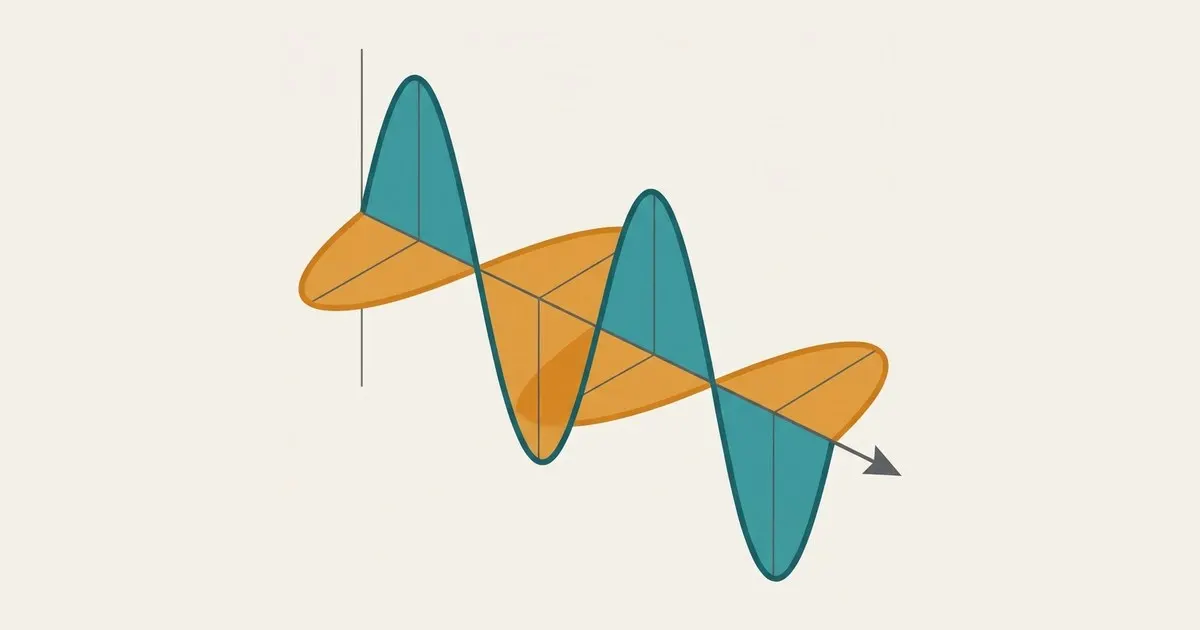
What Is Light? Waves, Photons and the Electromagnetic Spectrum
Light is a transverse electromagnetic wave that also arrives as photons. Wavelength, frequency, wavefronts and the Huygens–Fresnel principle for filmmakers.
Read →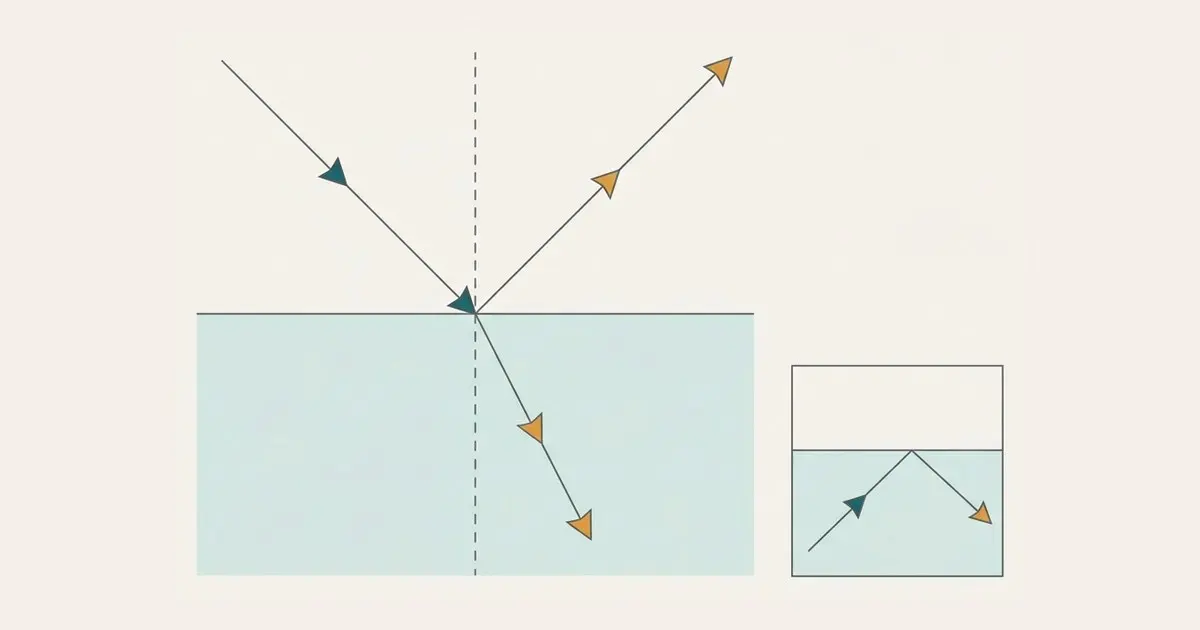
Reflection, Refraction, Dispersion, Interference and Diffraction
How light bends at a boundary, splits into colours, interferes in thin films and diffracts at an aperture, and why this limits lens sharpness.
Read →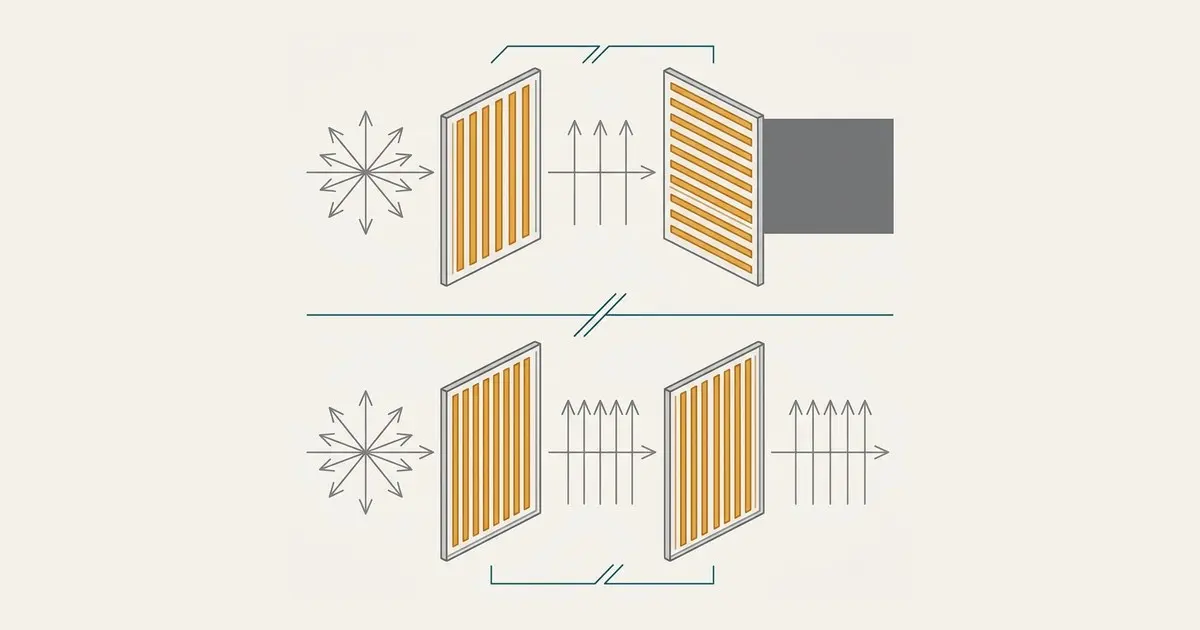
Polarization of Light and the Polarizing Filter in Cinematography
What polarized light is, how reflections and the blue sky polarize it, and how a polarizing filter removes glare and darkens the sky on camera.
Read →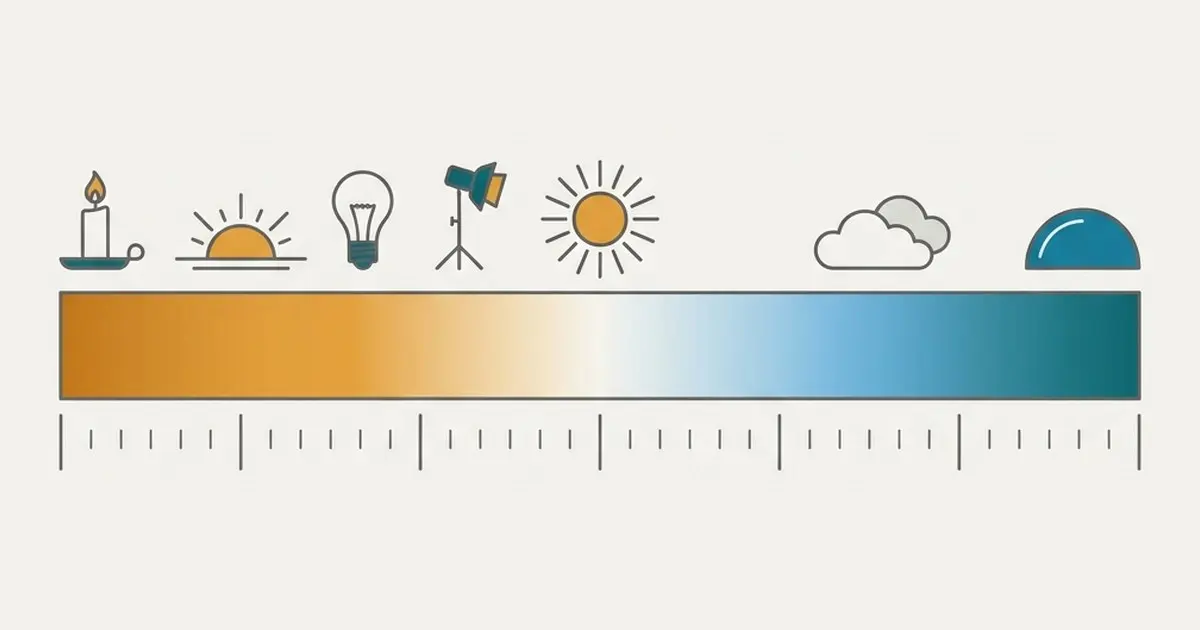
Color Temperature, Mireds and CRI Explained for Cinematographers
Kelvin, correlated color temperature, mired shifts for gels and filters, the visible spectrum and the Color Rendering Index, with worked examples.
Read →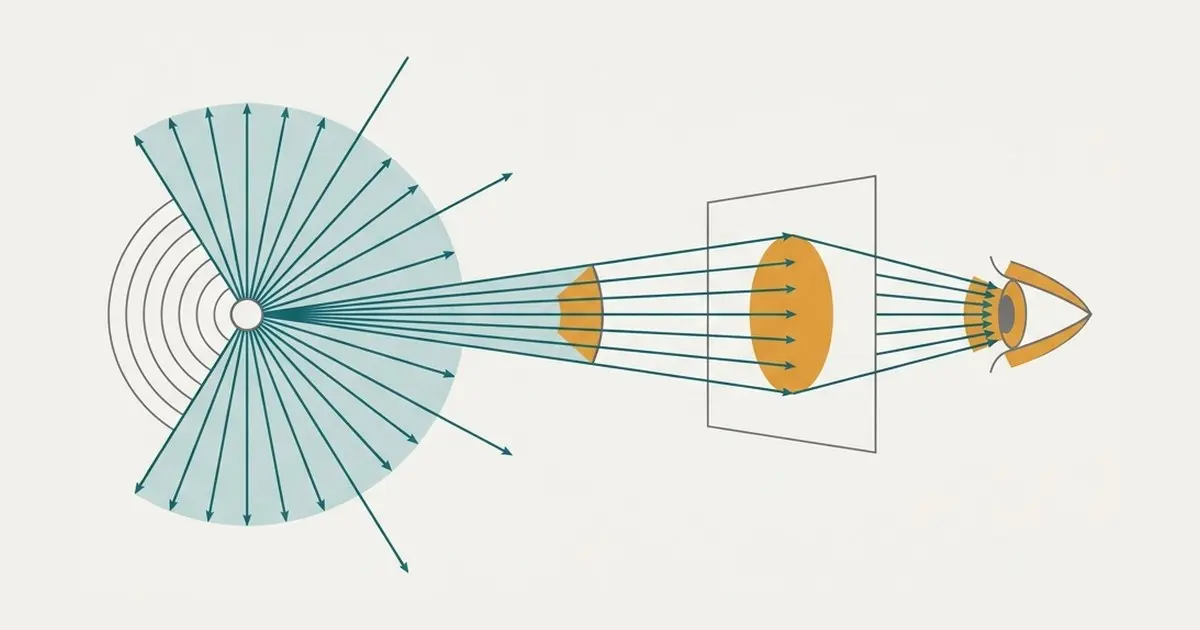
Photometry for Filmmakers: Lumens, Lux, Candela and Inverse-Square Law
Luminous flux, intensity, illuminance and luminance explained for the set, with the inverse-square law, reciprocity and the Sunny 16 rule.
Read →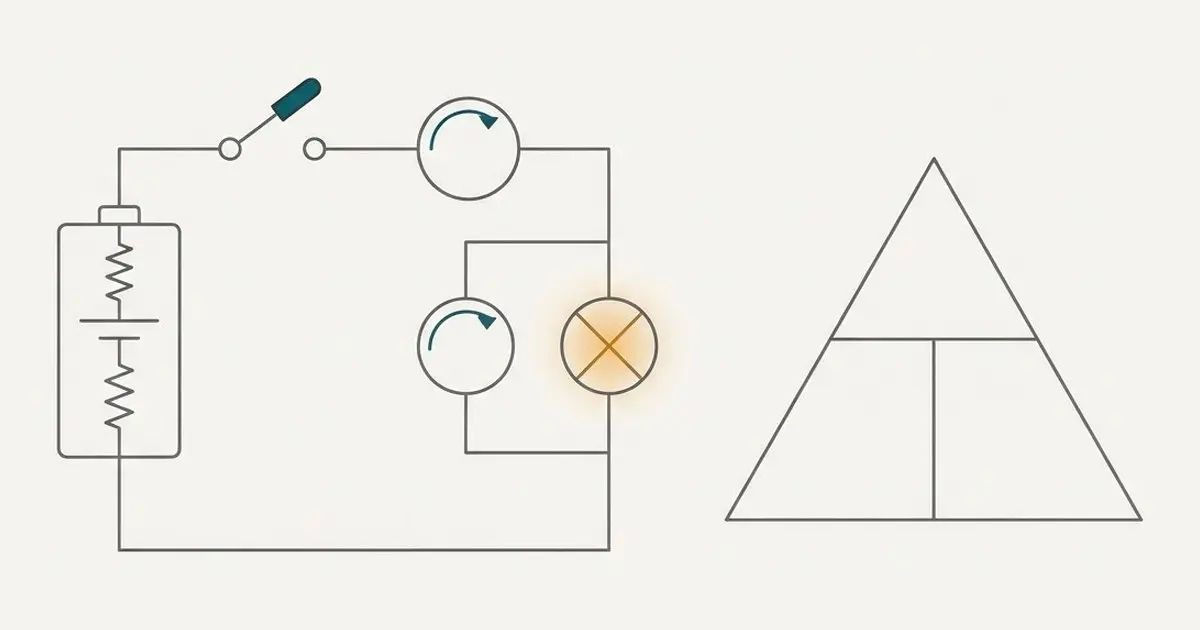
Electricity Basics for Film Sets: Voltage, Current, Resistance, Ohm’s Law
Charge, voltage, current, resistance, power and series and parallel circuits explained for film crews, with worked wattage and amperage examples.
Read →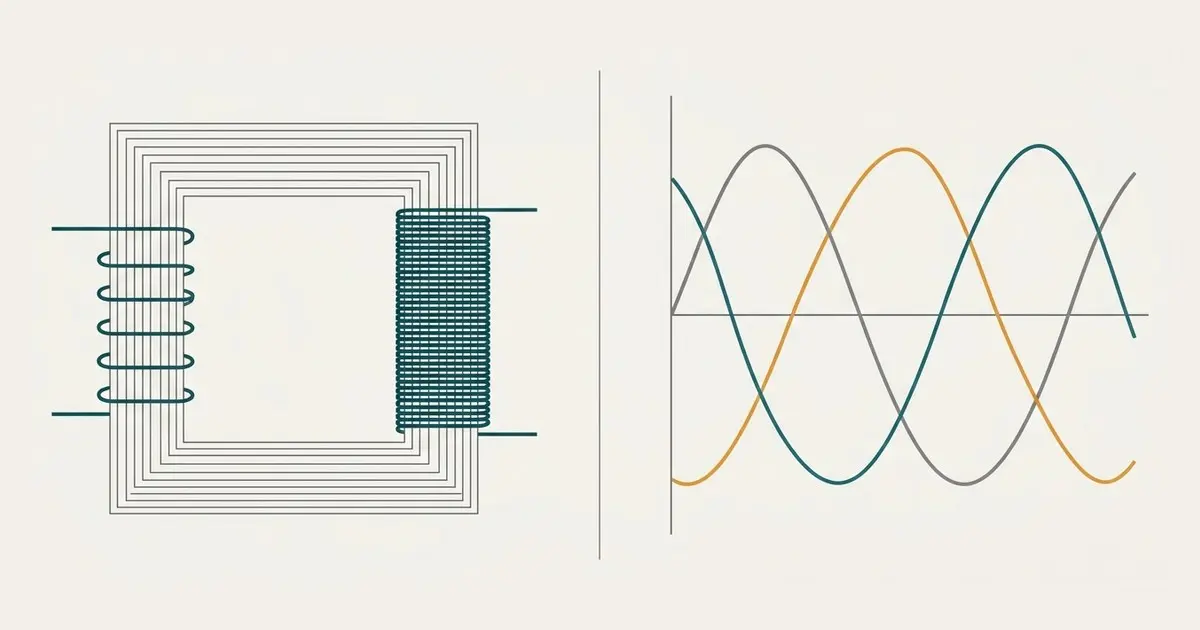
Alternating Current, Transformers and Three-Phase Power for Film Crews
AC, RMS values, Faraday's induction, transformers and three-phase systems explained for gaffers, with the voltages used on set in North America and Europe.
Read →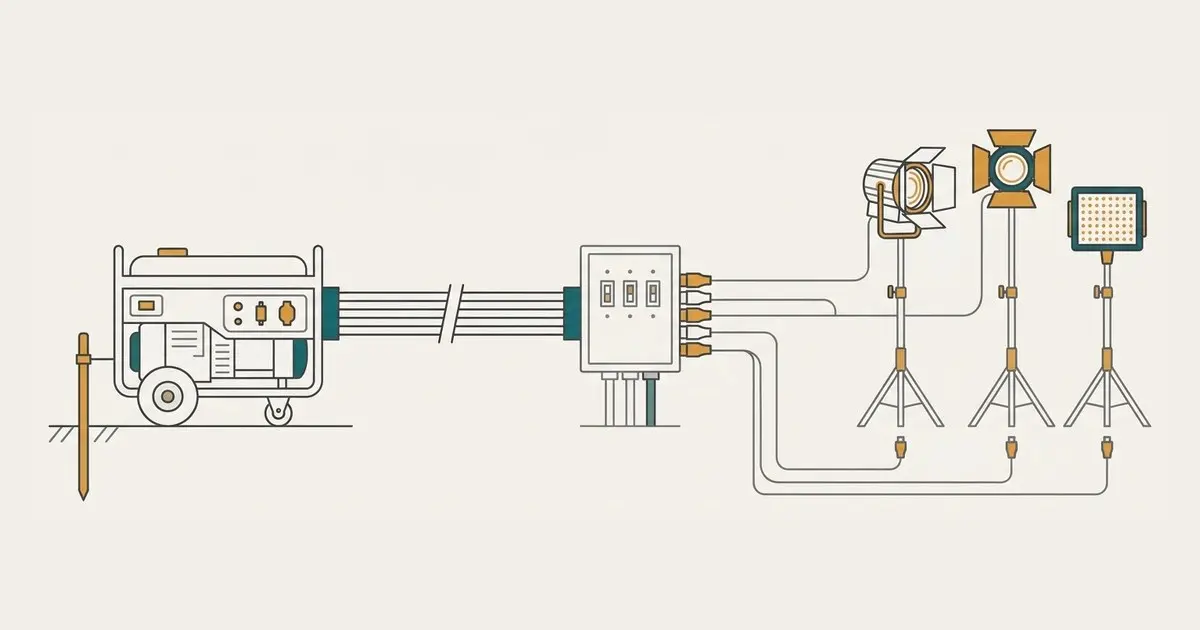
Power Distribution on a Film Set: Cables, Grounding, Load and Generators
How set power is fed and protected: feeder cable, distribution boxes, grounding, wire gauge, load calculation and generator sizing, with a worked HMI example.
Read →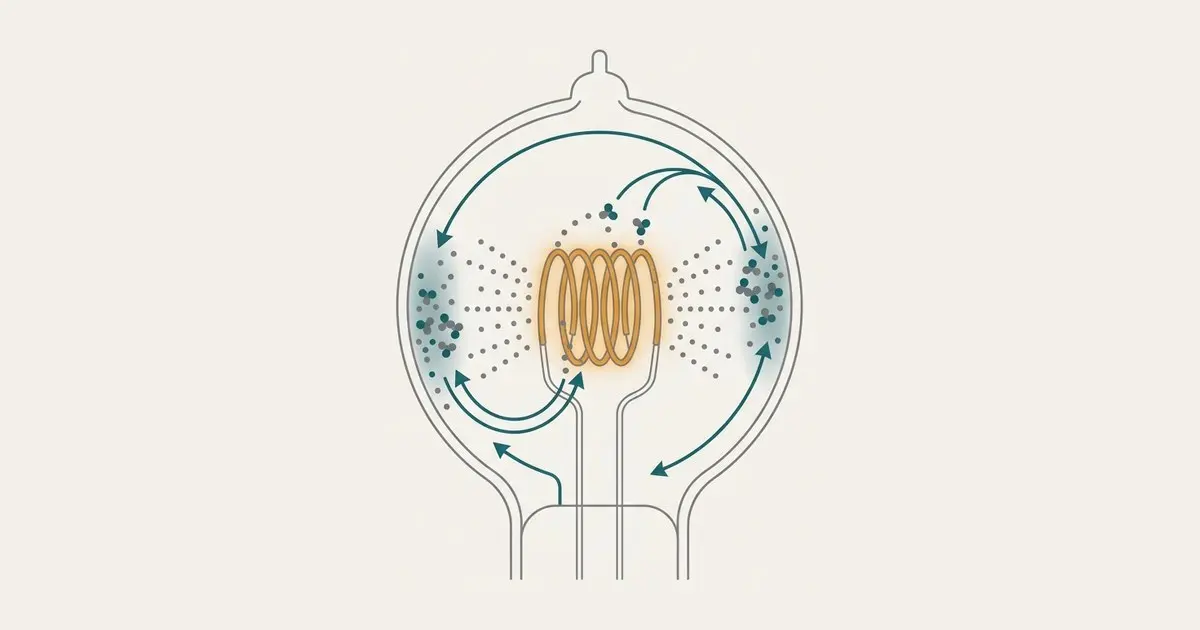
Tungsten, Tungsten-Halogen and Carbon Arc Lamps for Film Lighting
How incandescent, tungsten-halogen and carbon arc lamps work: filaments, the halogen cycle, burn-position codes and the handling rules that save lamps on set.
Read →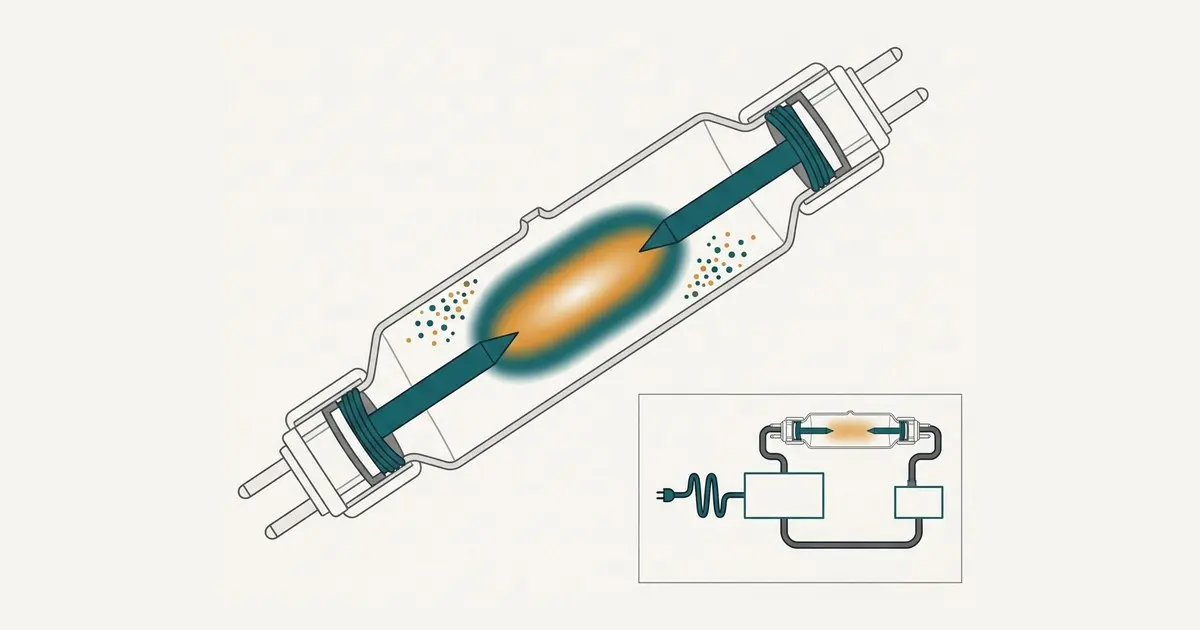
HMI, Fluorescent and Flash: Discharge Light Sources for Film
How HMI, fluorescent, high-pressure discharge and xenon flash sources make light, why some of them tint skin, and how to correct and handle them on set.
Read →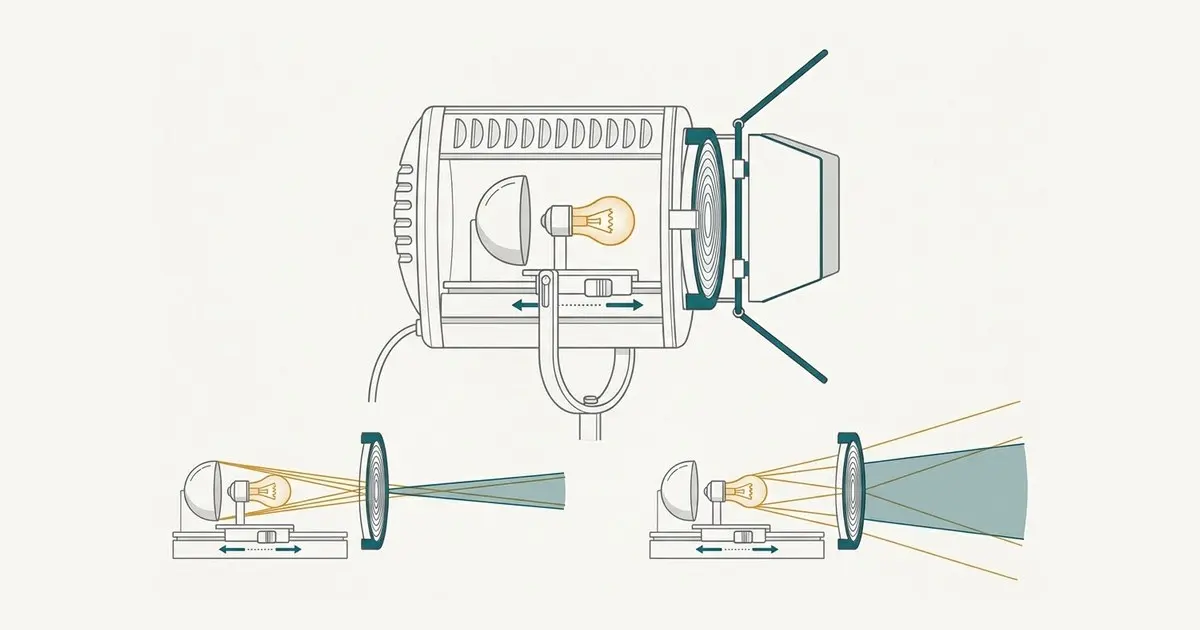
Film Lighting Fixtures: Fresnels, Open-Face, Ellipsoidals and Soft Lights
How film lights are built: Fresnel spotlights, open-face and soft lights, ellipsoidals, Dedolights and fibre optics, with lens and reflector types.
Read →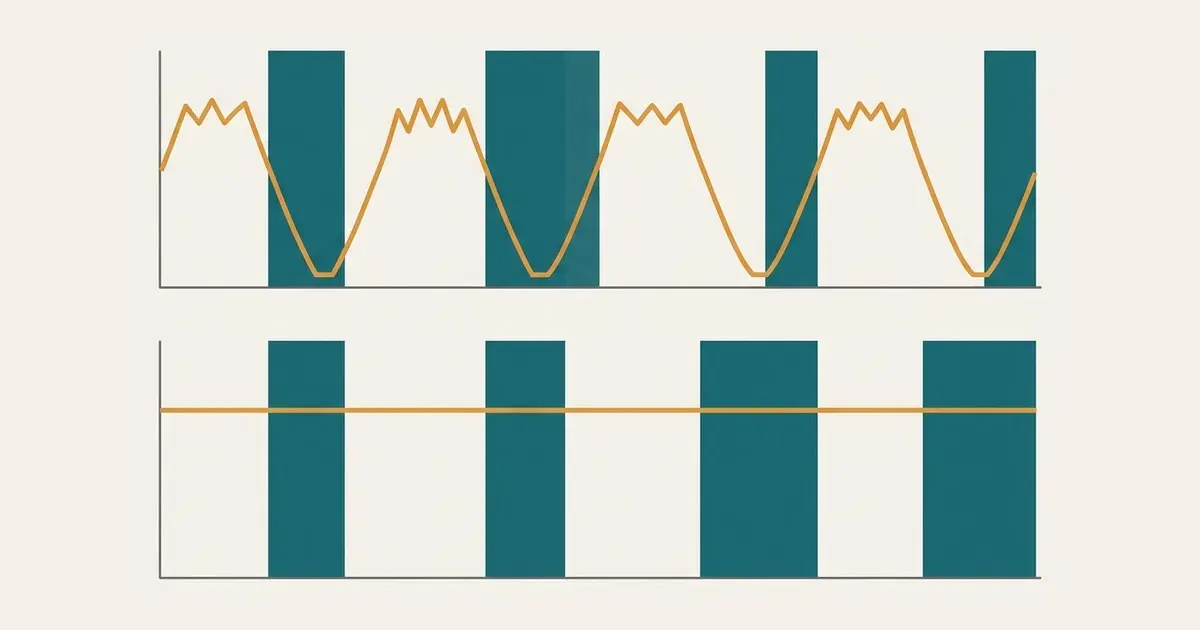
Ballasts, Flicker and Camera Sync for Film Lights
Why discharge lights flicker on camera, how magnetic and square-wave ballasts differ, and how line frequency, shutter angle and three-phase power affect it.
Read →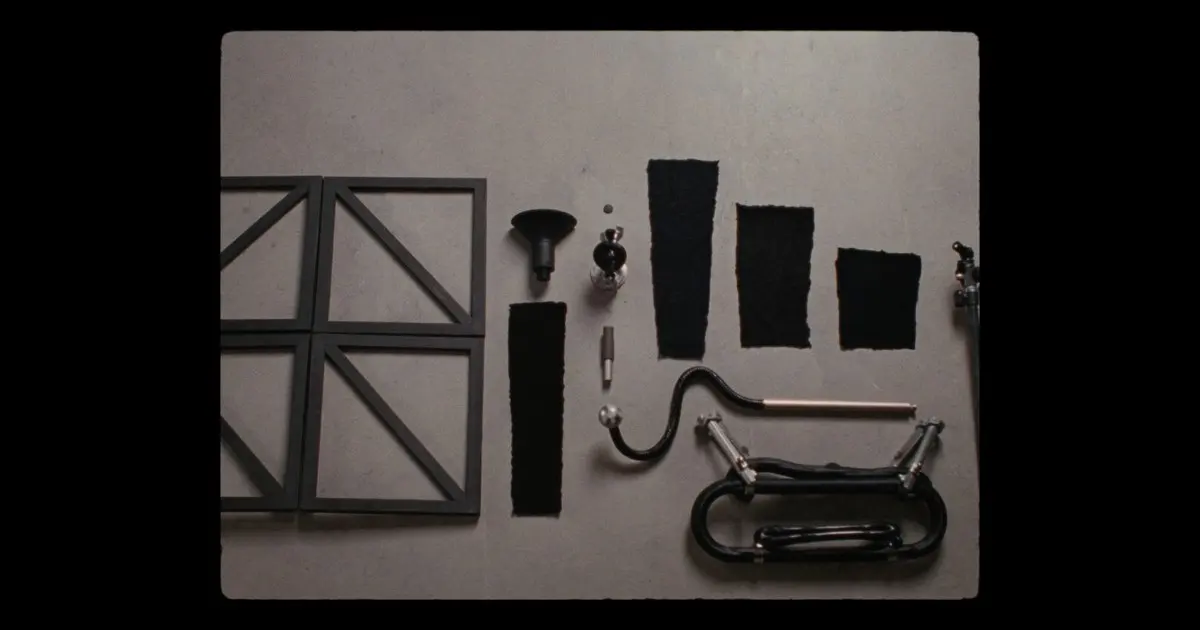
Flags, Nets, Diffusion and Gels: Shaping and Controlling Light on Set
Grip tools that cut, reduce, soften and colour light: barn doors, flags, dots, scrims, nets, diffusion, cookies and gels, with sizes and stop values.
Read →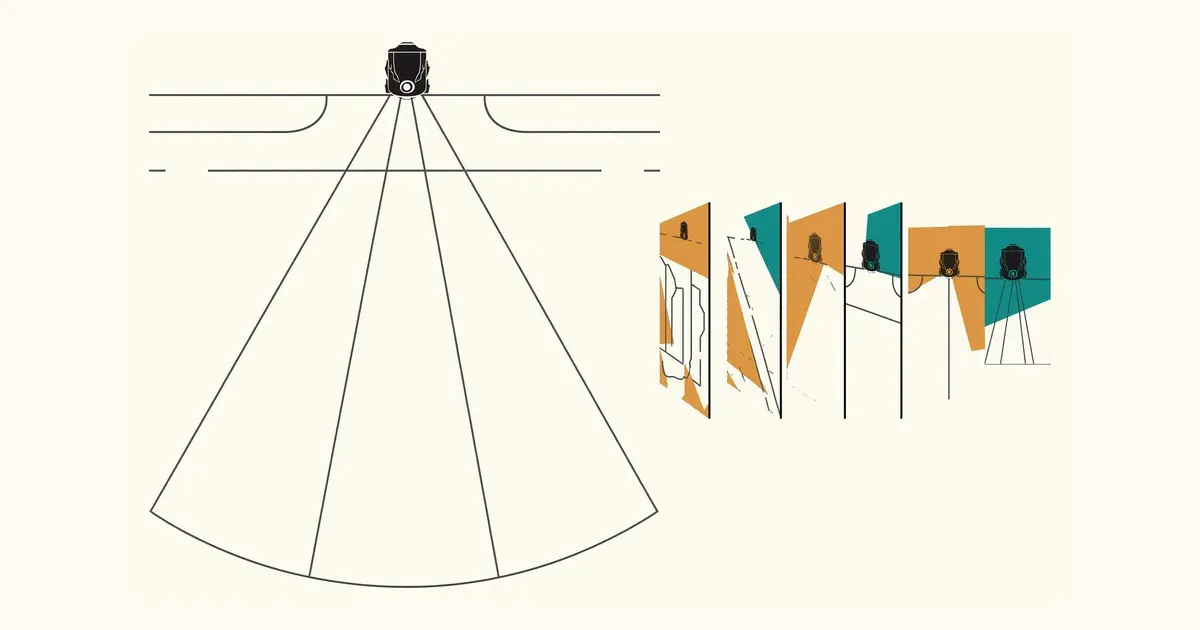
Lenses, Focal Length, Aperture and Depth of Field Explained for Filmmakers
Converging lenses, focal length and angle of view, f-stops versus T-stops, light falloff and depth of field with hyperfocal distance, explained with examples.
Read →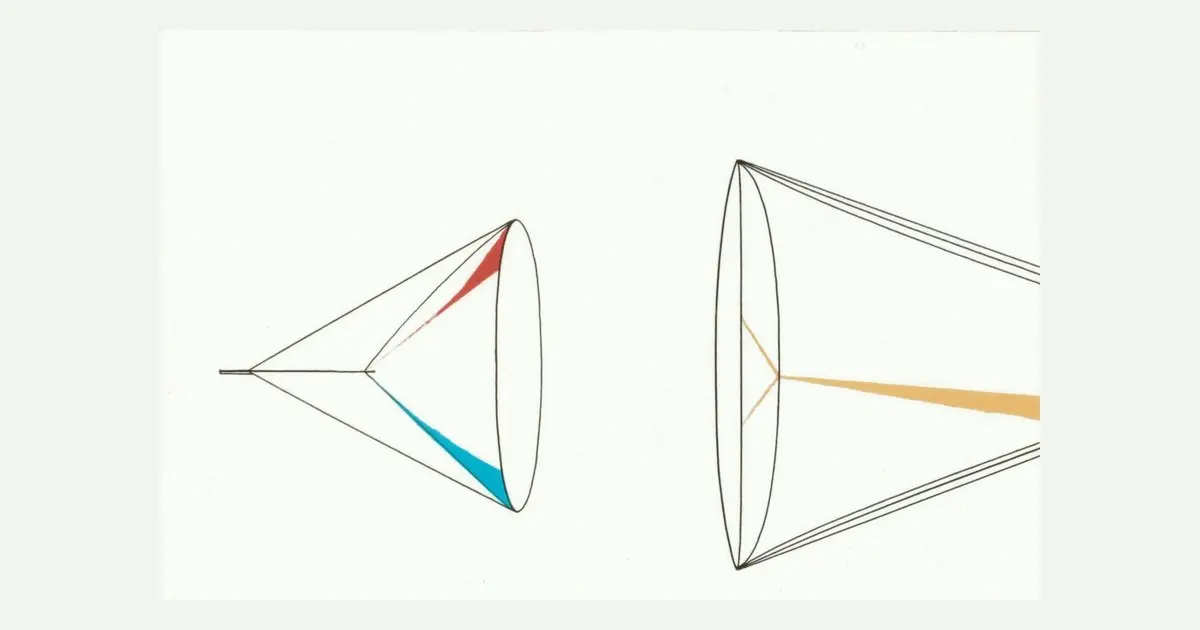
Lens Coatings and Optical Aberrations: Flare, Fringing and Distortion
How anti-reflective coatings work, from quarter-wave layers to moth-eye surfaces, and how chromatic and spherical aberration, coma and distortion are corrected.
Read →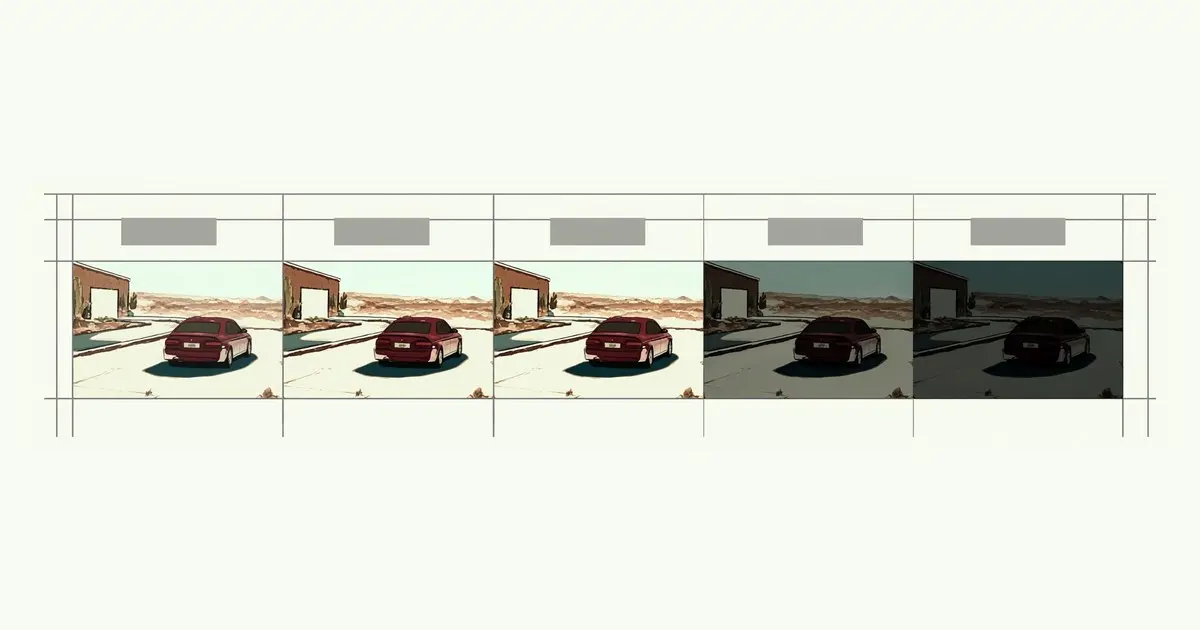
Camera Filters: ND, Diffusion, Polarizing and Colour-Conversion Filters
What each camera filter does: ND values in stops, diffusion and star filters, 85 and 80 colour conversion, polarizers, contrast filters and split diopters.
Read →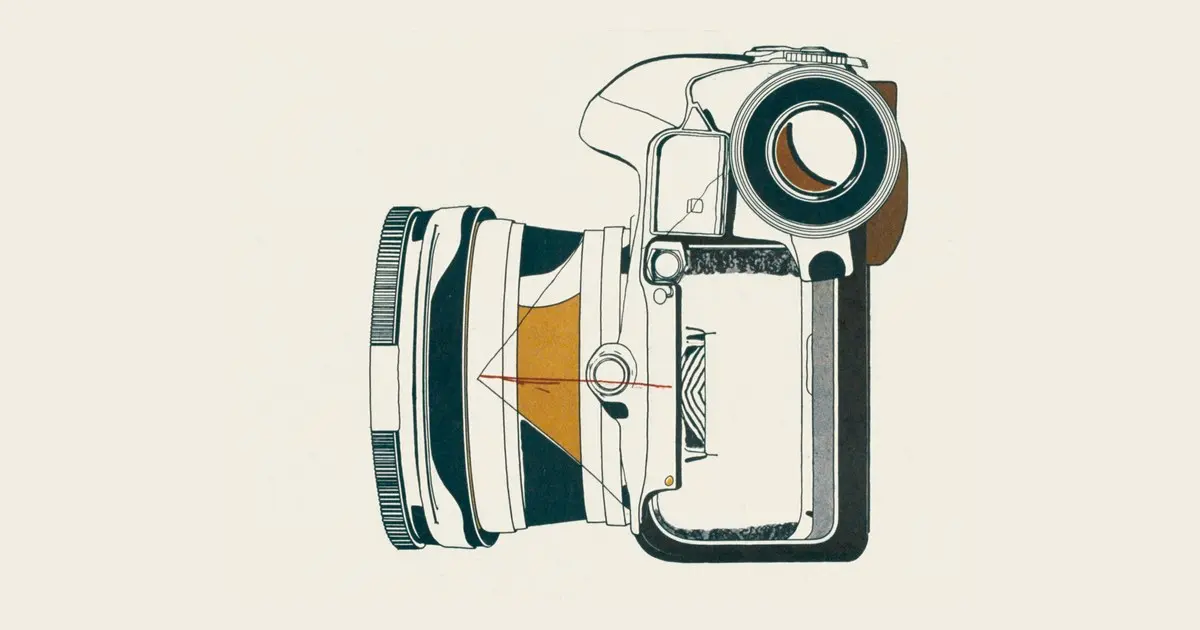
How a Still Camera Works: Shutters, Lens Mounts, Meters and Viewfinders
The parts of a still camera and how they work together: shutter types, SLR and rangefinder viewfinders, lens mounts, flange distance, zoom lenses and metering.
Read →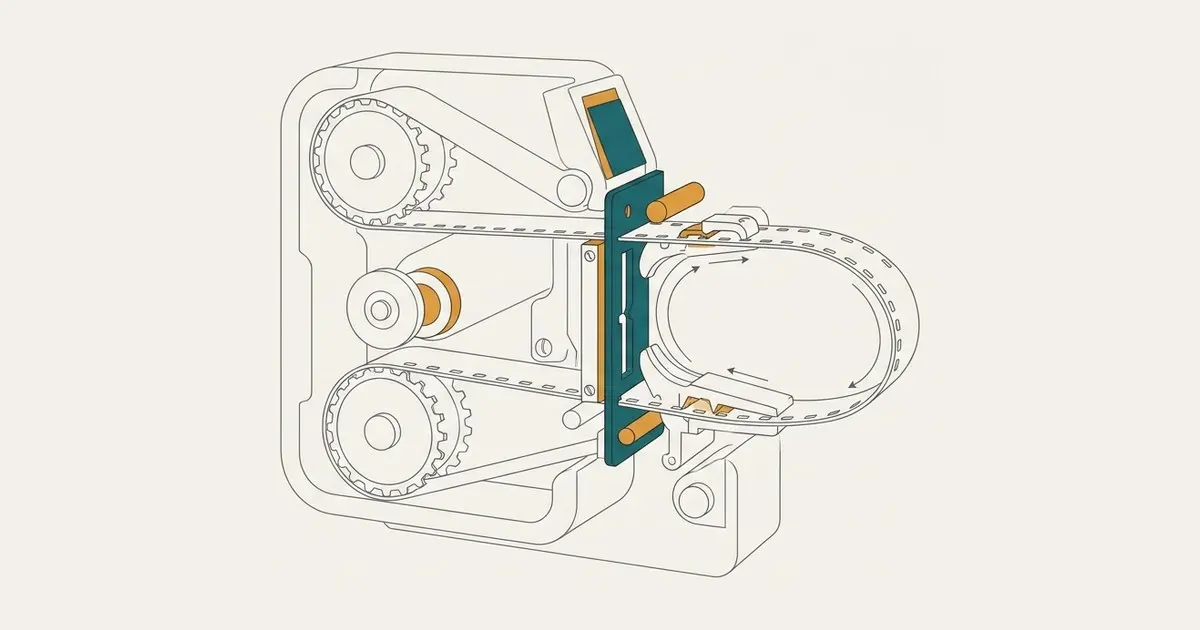
How a Film Camera Works: Pulldown Claw, Rotary Shutter and Film Gate
How a cine camera moves film frame by frame: intermittent movement, claw and registration pins, the mirrored rotary shutter, shutter angle and exposure time.
Read →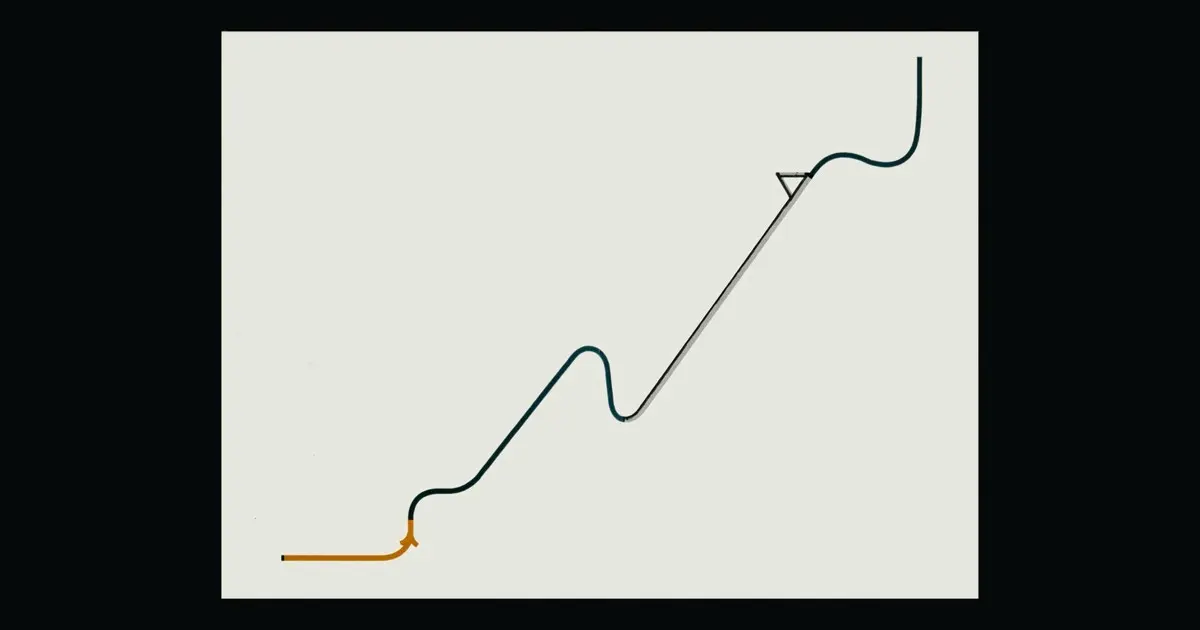
Photographic Film: Structure, the Characteristic Curve and Processing
How film is built, how the H&D characteristic curve describes speed, latitude and contrast, and how film is developed, fixed and washed.
Read →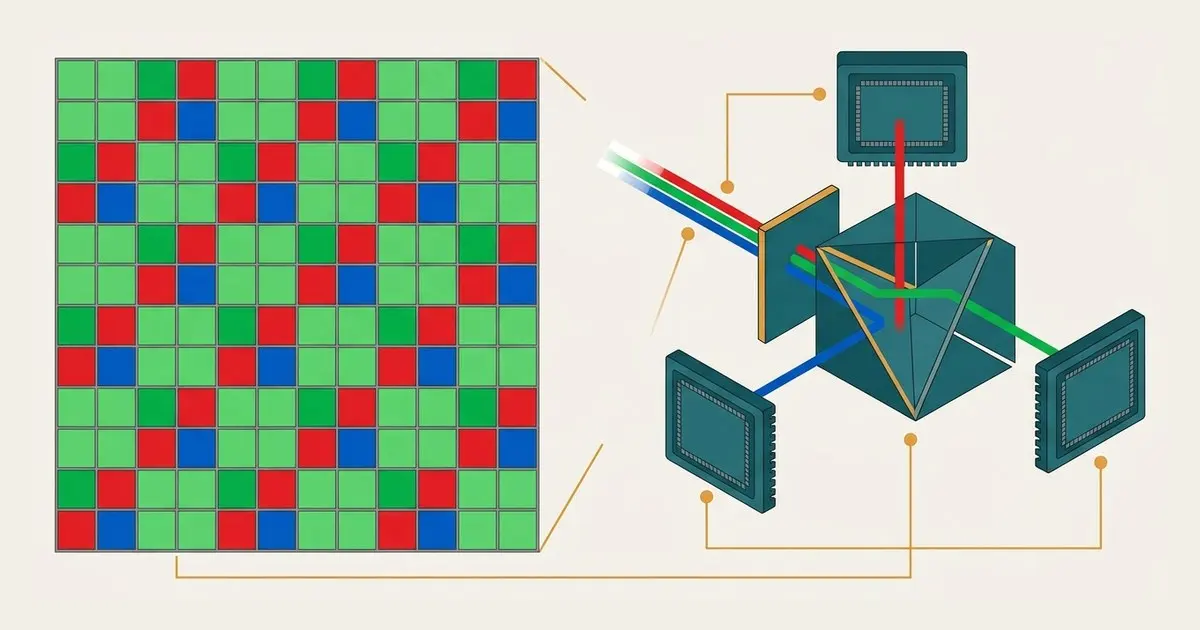
Digital Cinema Sensors: CCD vs CMOS, Bayer Filters, Bit Depth and Bitrate
How cameras turn photons into pixels: CCD and CMOS, Bayer filters, bit depth, dynamic range, rolling and global shutters, scanning and bitrate.
Read →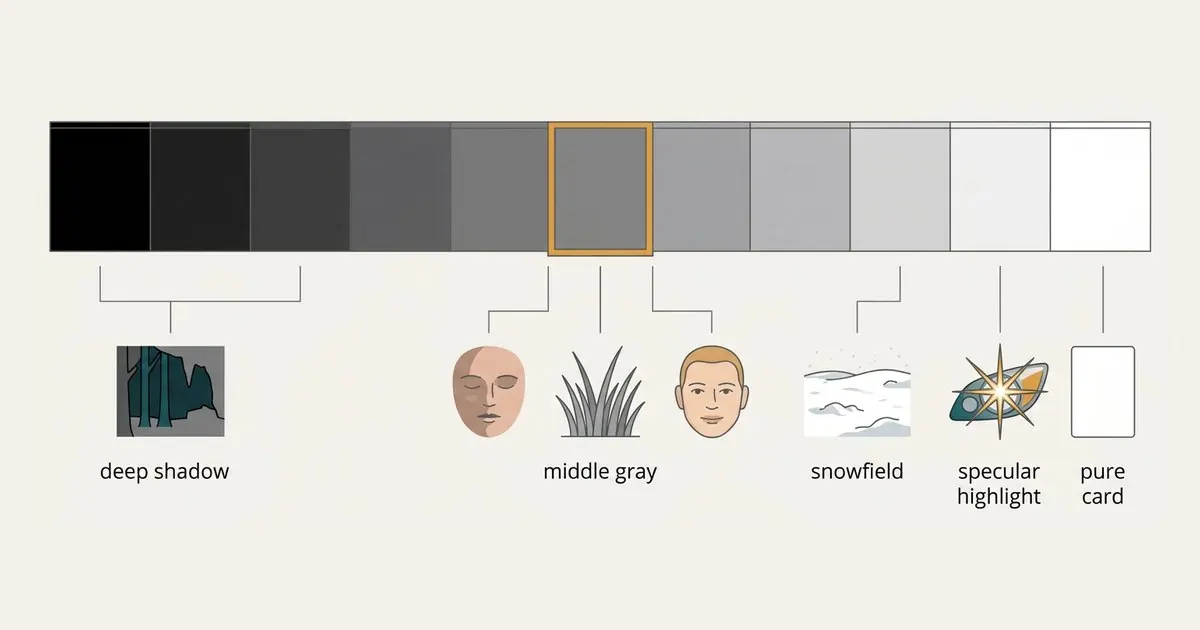
Exposure: The Zone System, Light Meters, Gray Cards and Lighting Ratios
How exposure is measured and placed: the ten-zone scale, middle gray, incident and spot meters, the gray card, bracketing and the 3:1 key-to-fill ratio.
Read →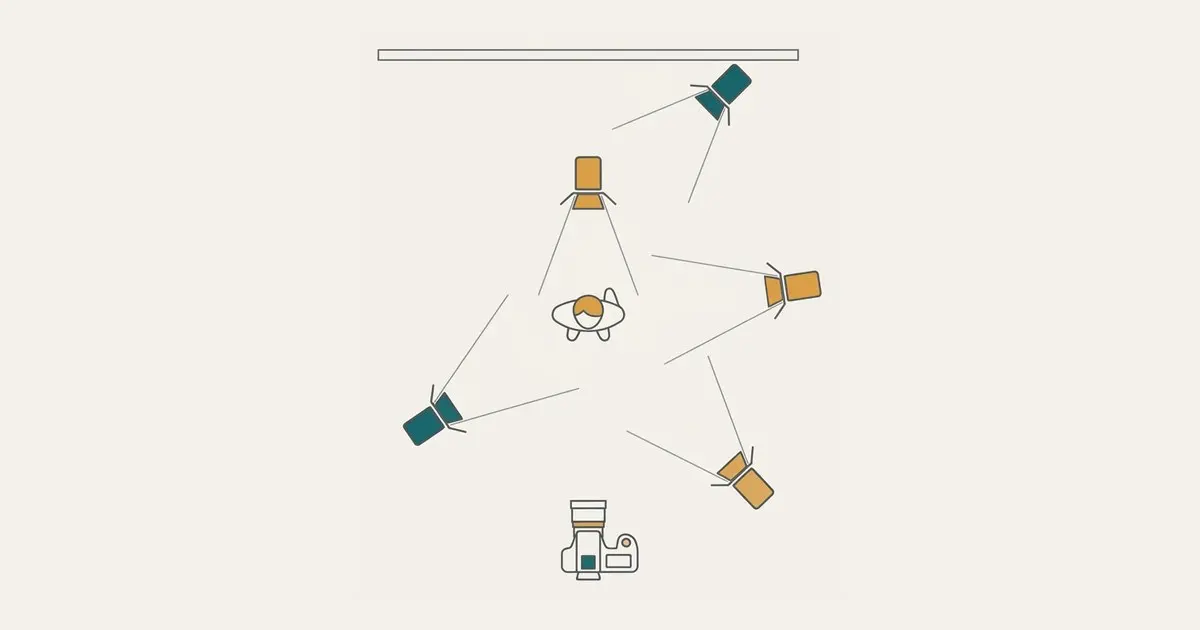
Key Light Principles: Hard vs Soft, High-Key vs Low-Key Lighting
The rules of cinematic lighting: five roles of light, placing the key at 15–35°, hard versus soft light, and the high-key, subdued and low-key lighting styles.
Read →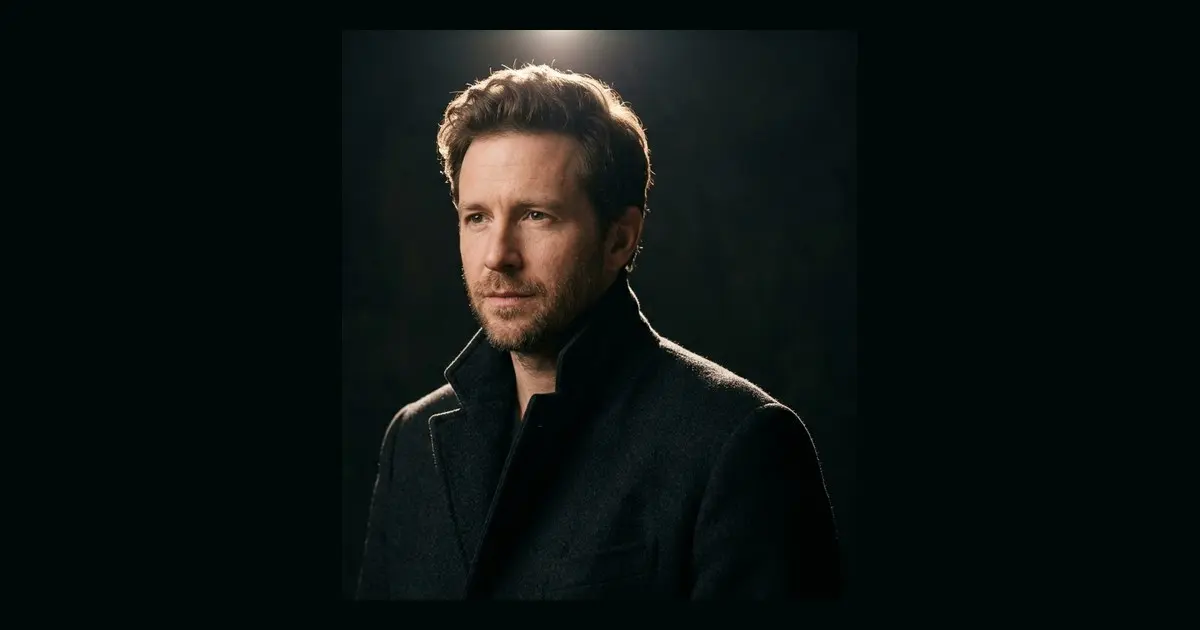
Building a Lighting Setup: Fill, Backlight, Kicker, Eye Light, Background
How to build a lighting setup after the key: fill ratios, backlight and rim, silhouettes, kickers, eye lights, background light, side light and cross lighting.
Read →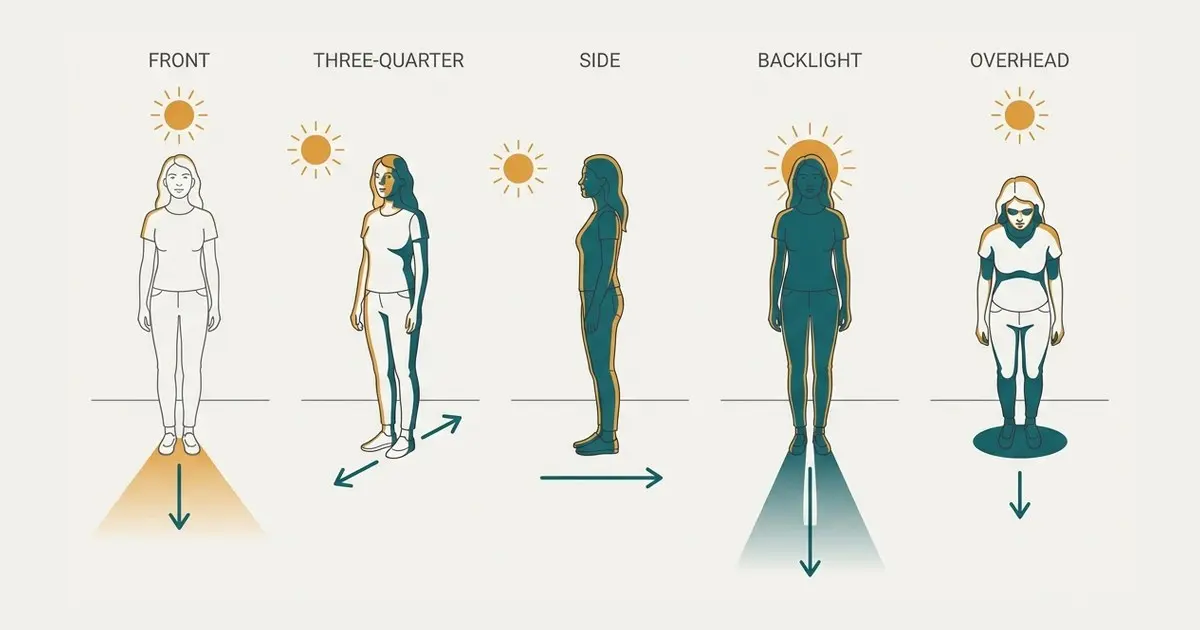
Lighting Exteriors and Interiors: Daylight, Windows, Shadows and Texture
Sun angles, changing daylight, balancing window light with interior lamps, shooting through doorways and how shadows, highlights and raking light shape texture.
Read →
Portrait and Still-Life Lighting: Posing, Lenses, Wardrobe and Glassware
How to light and frame a portrait: lenses, angles, posing, wardrobe and background, plus still life with matte, glossy and glass objects.
Read →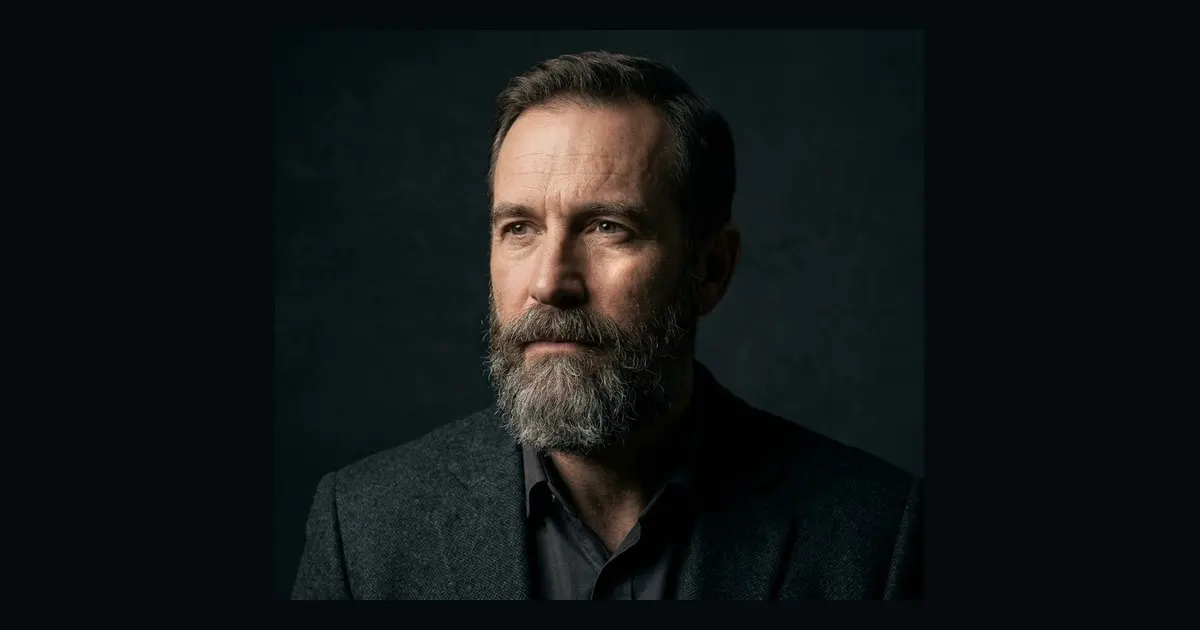
Lighting Faces: Rembrandt, Short and Broad Light, Fresnel vs Softbox
Rembrandt, short and broad lighting, the terminator, hard versus diffused light, softbox versus silk frame, and backlighting heads and bald subjects.
Read →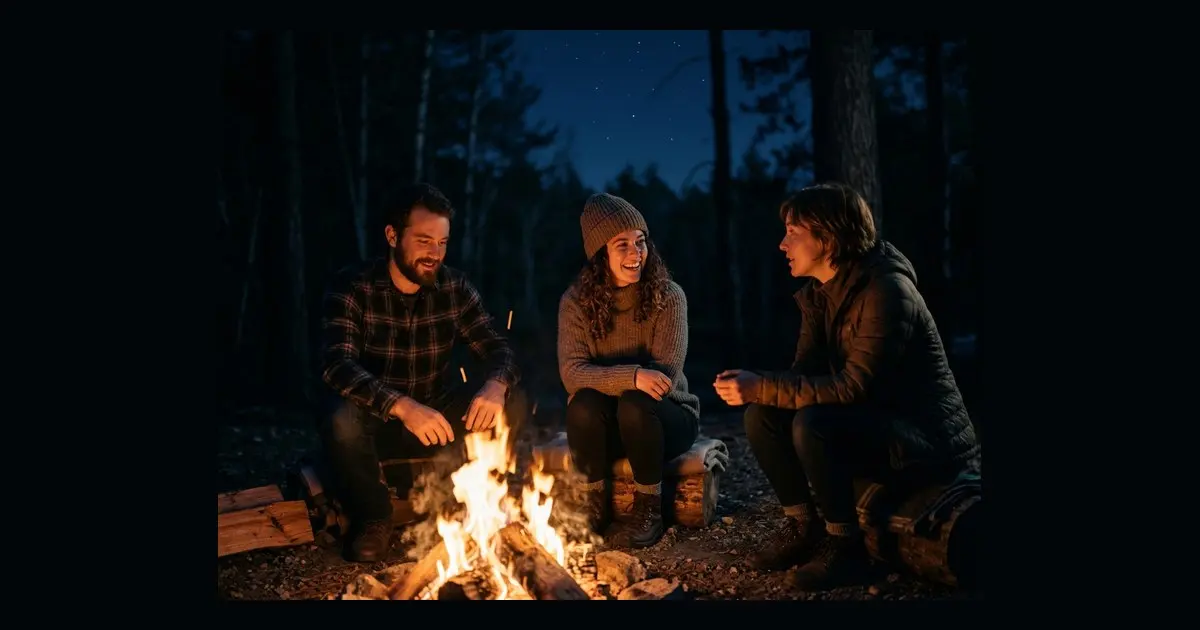
Day for Night, Moonlight, Firelight and Candlelight: Lighting Night Scenes
How to shoot day-for-night, simulate moonlight, campfires, candles, sconces, flashlights and lanterns, with gel choices, flicker methods and rigs.
Read →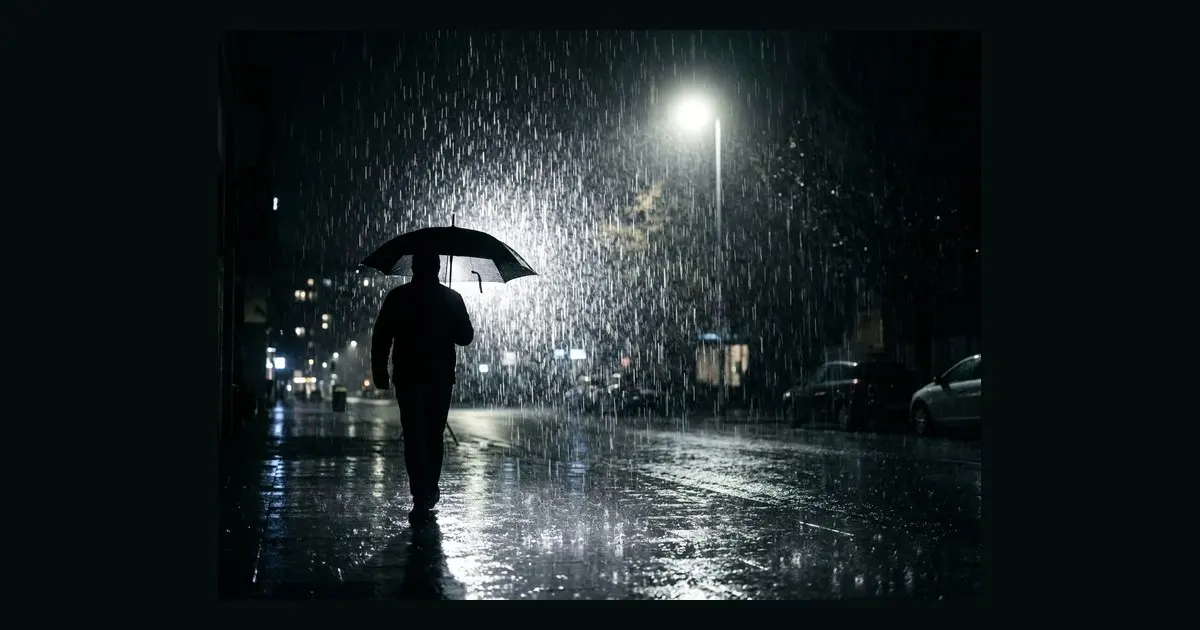
Lighting Rain, Fog, Smoke, Snow, Lightning and Sunsets on Set
How to light and rig weather effects: backlit rain and fog, thermal fog and smoke, artificial snow, lightning, water reflections, sunrise and sunset looks.
Read →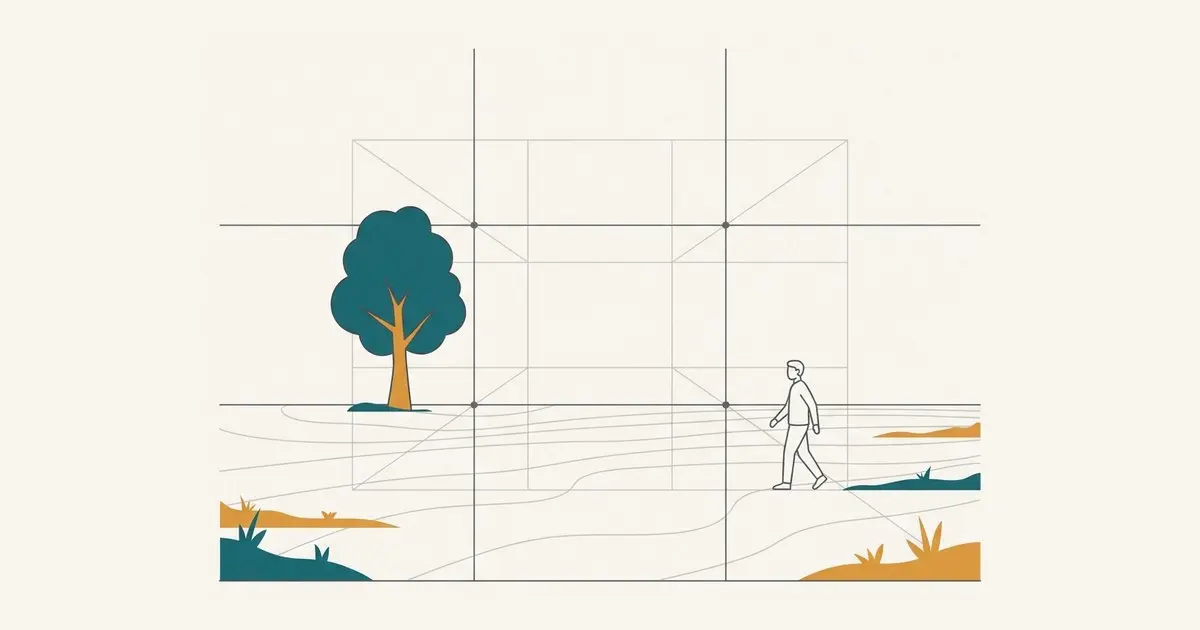
Composition in Film: Rules, Visual Weight, Shapes, Lines and Camera Angle
A working guide to cinematic composition: thirds and golden section, ten rules, visual weight, shapes, lines, balance, camera angle and lead room.
Read →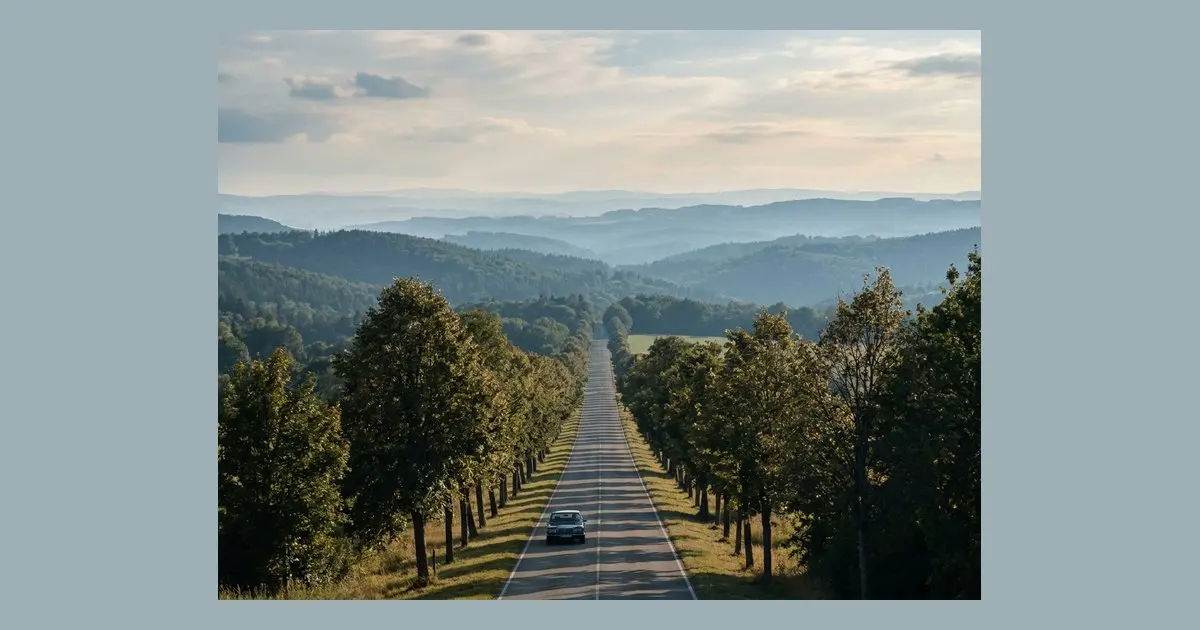
Perspective, Depth and Gestalt: How the Eye Reads a Film Frame
Linear and aerial perspective, techniques for enhancing depth, Gestalt laws of perception, figure and ground, and how the viewer's eye moves across a frame.
Read →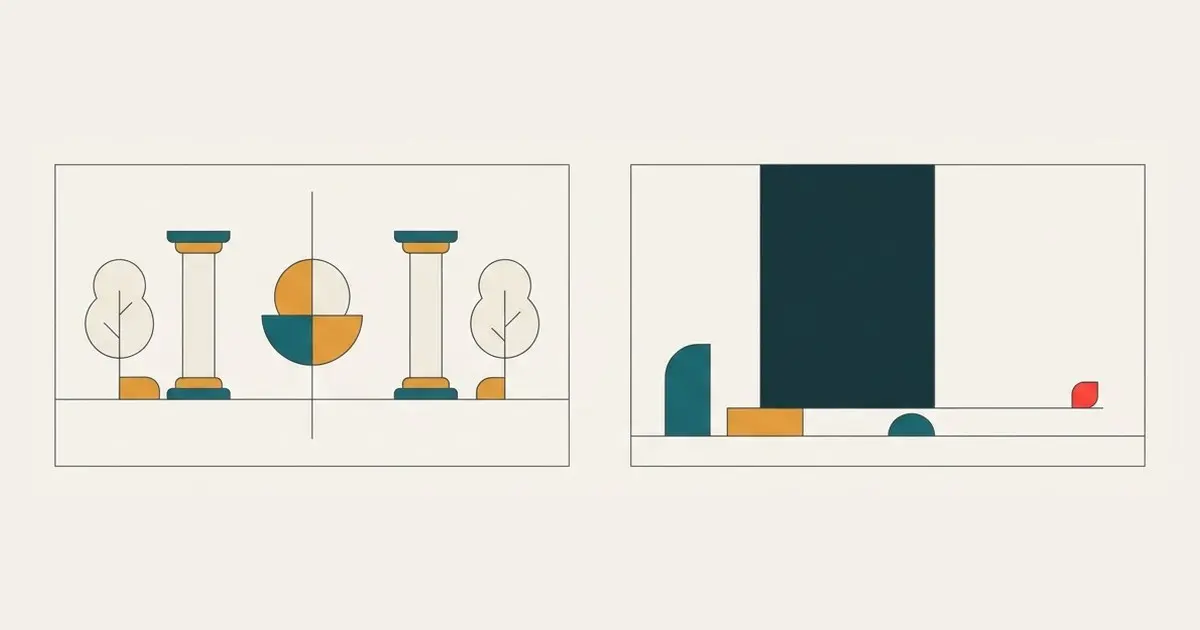
Visual Balance, Rhythm and Contrast in the Film Frame
How visual weight, formal and informal balance, left-right asymmetry, rhythm, pattern and simultaneous and complementary contrast shape a cinematographic image.
Read →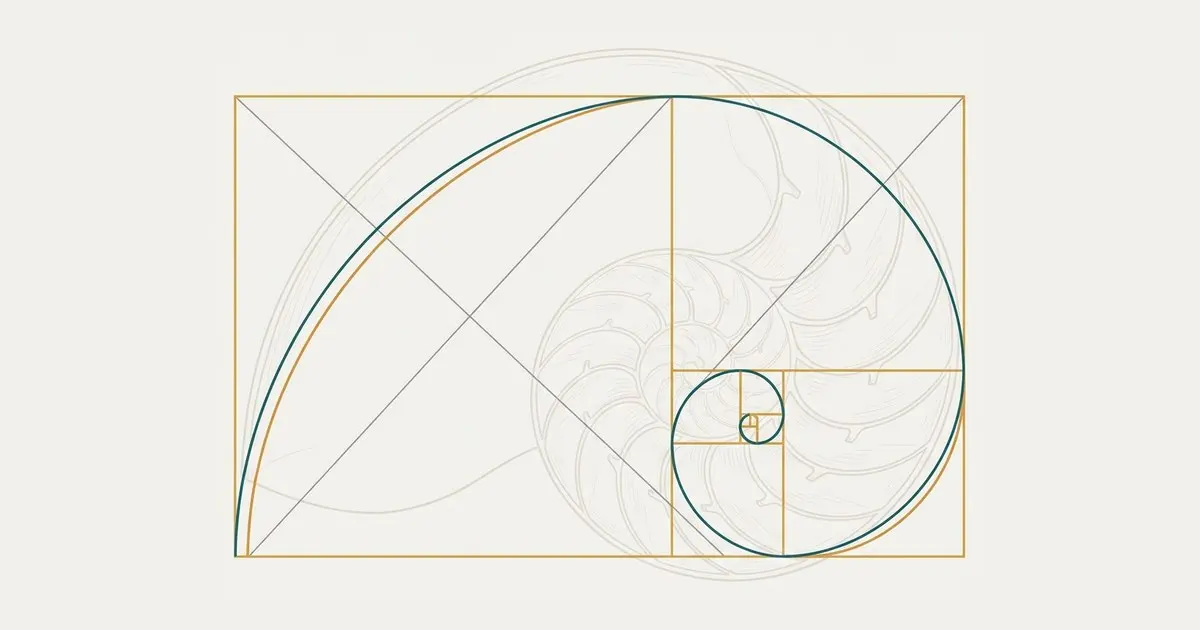
Colour, Geometry, Symmetry and Movement in the Film Frame
Hue, value and chroma, colour mixing, the Purkinje effect, Goethe's proportions, golden section, symmetry, eyelines, lead room and screen tempo.
Read →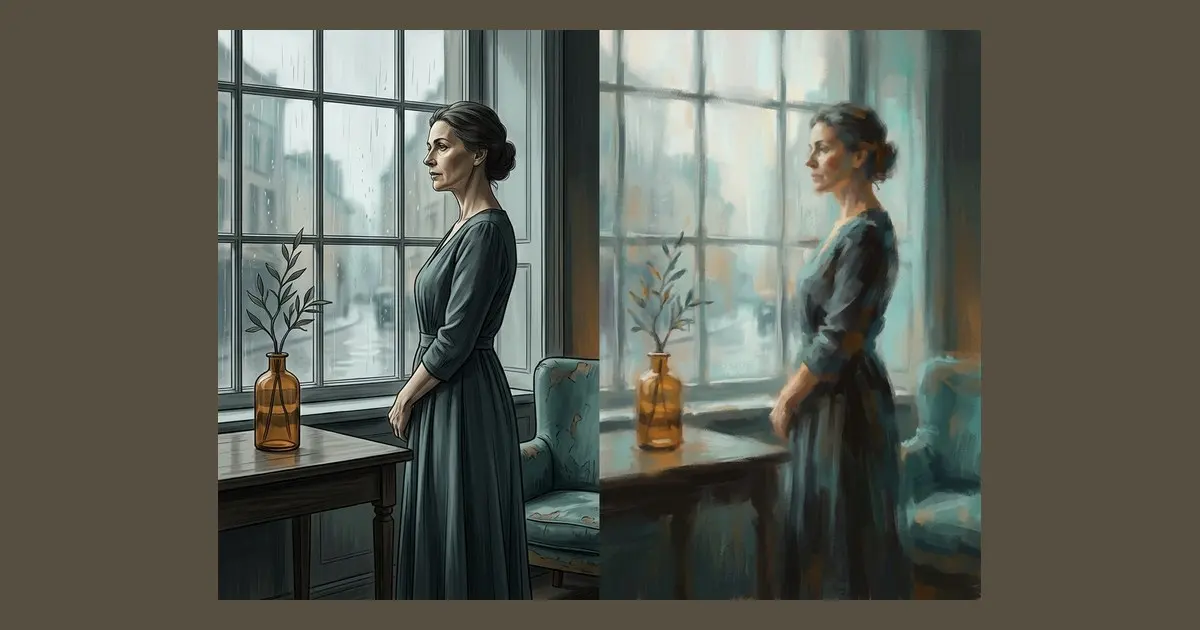
Art Movements, Genre and Narrative: Visual Culture for Cinematographers
Plastic versus painterly form, how art movements map onto photography and cinema, documentary genres, dramatic structure and levels of craft.
Read →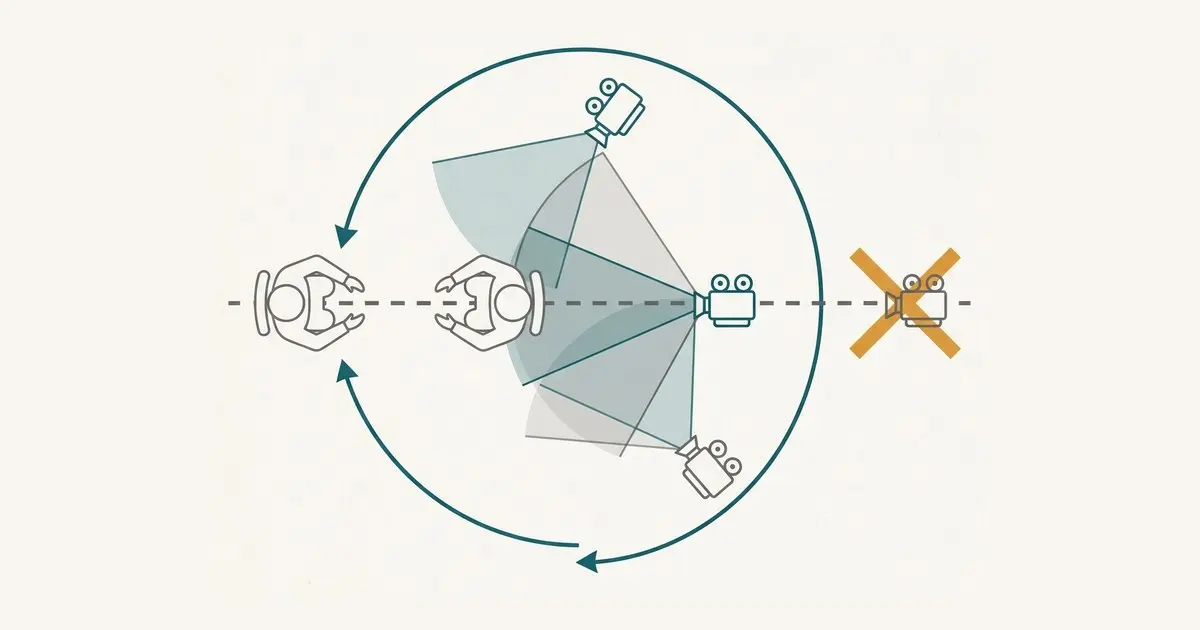
Grammar of the Frame: Coverage, Eyelines, the 180° Rule and Camera Movement
Rules for covering a scene: dialogue types, over-the-shoulder coverage, eyelines, stopping movement for dialogue, the 180° rule, camera moves.
Read →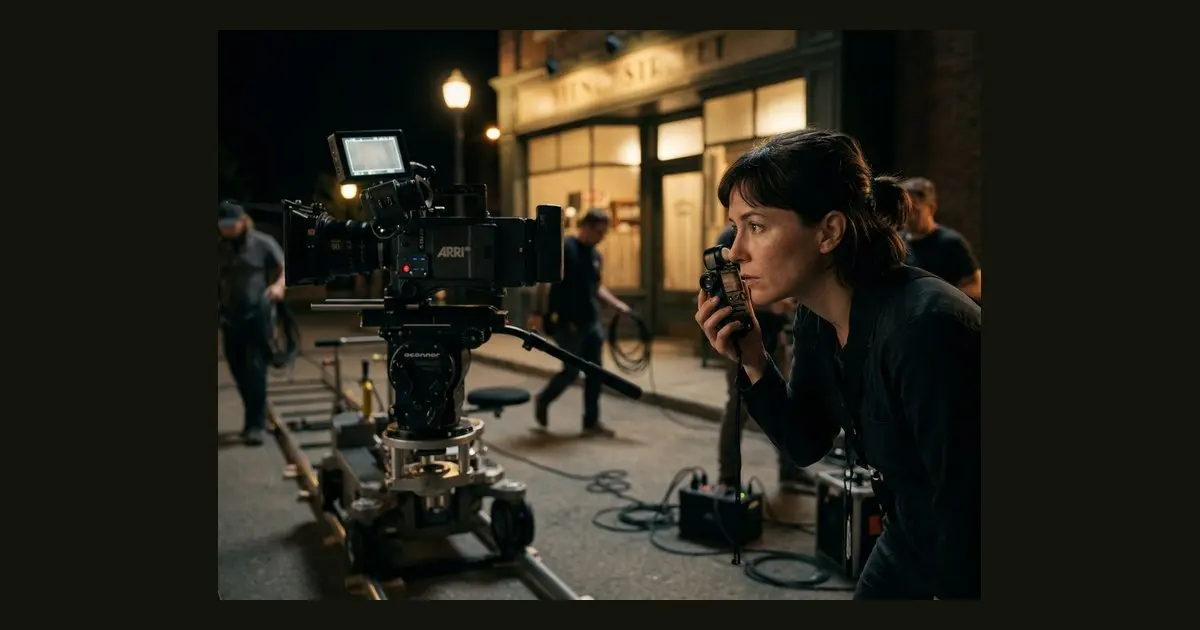
Advice for the Cinematographer: Craft, Discipline and the Viewer's Eye
Working principles for cinematographers: imagination and discipline, how viewers perceive images, invisible craft, preparation, pacing and tension.
Read →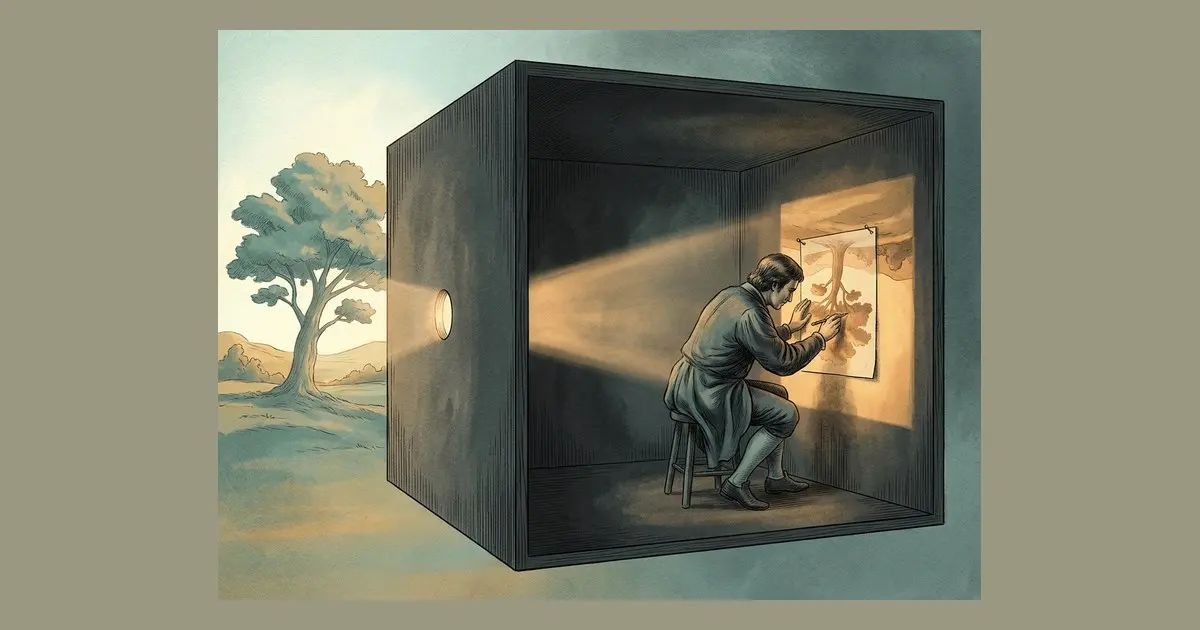
History of Photography: From the Camera Obscura to the Rolleiflex
A timeline of photographic invention: camera obscura, Niépce, Daguerre, Talbot, collodion, gelatin plates, roll film, Kodak, Leica, Rolleiflex.
Read →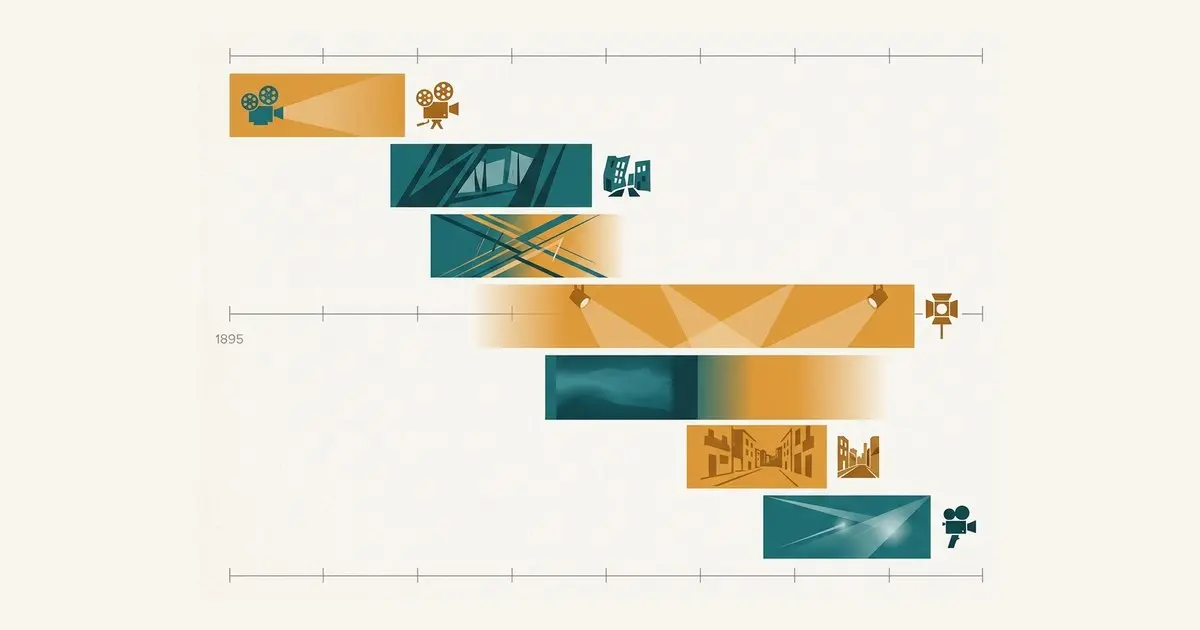
History of Cinema: Lumière, Soviet Cinematography and European Movements
From the Lumière screening of 1895 and Méliès to Soviet cameramen, Toland, German Expressionism, Italian Neorealism and the French New Wave.
Read →