Journal / Technical research
Technical research
Notes on digital technology and unusual experiments: how a single photograph can be turned into depth, materials and 3D, what compression leaves behind in an image, how Gaussian splatting works, and why provenance matters more than detection. Written from the work behind SMART ONE and from CGI production.
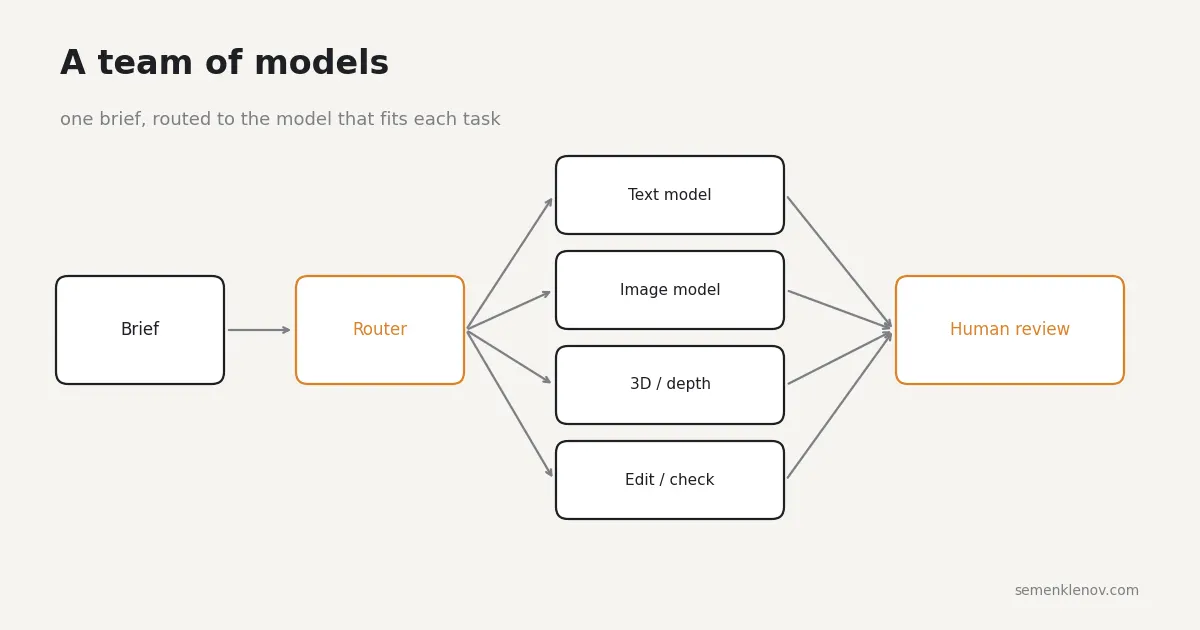
A team of models: routing creative work between AI agents
The research on LLM routing and cascades, the architecture of my SAM system, and real numbers from my queue: 10 of 107 agent answers went into active work.
Read →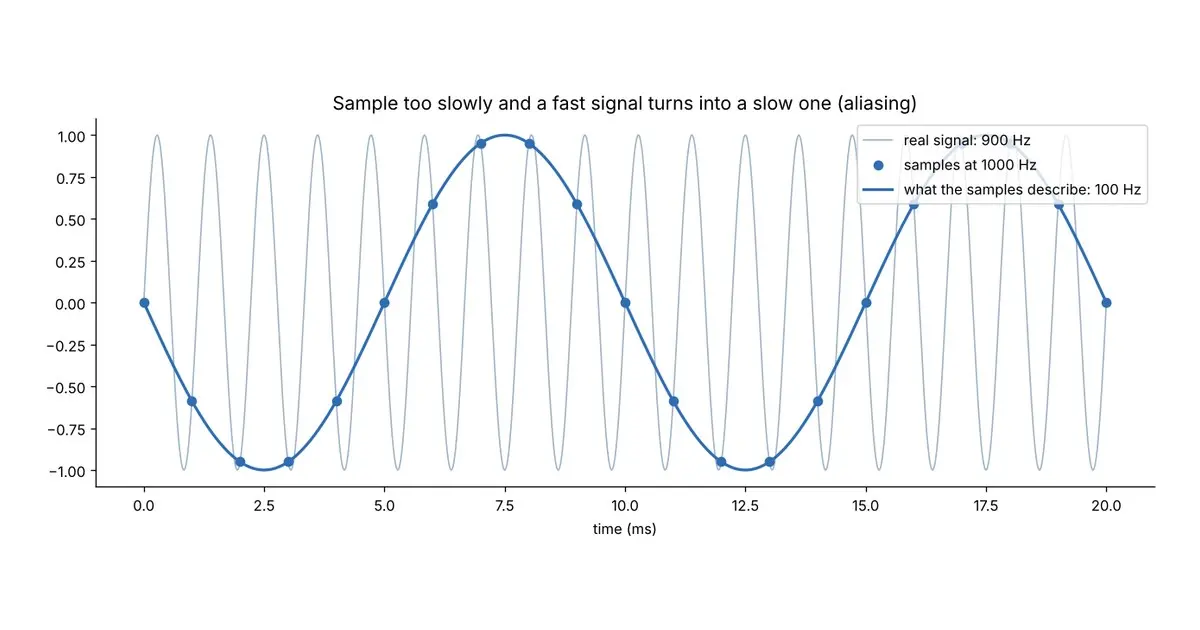
Analogue vs digital: sampling, bits and aliasing explained with two experiments
A 900 Hz tone sampled too slowly turns into 100 Hz, and every bit adds about 6 dB. The science behind film vs digital, moiré and banding, for beginners.
Read →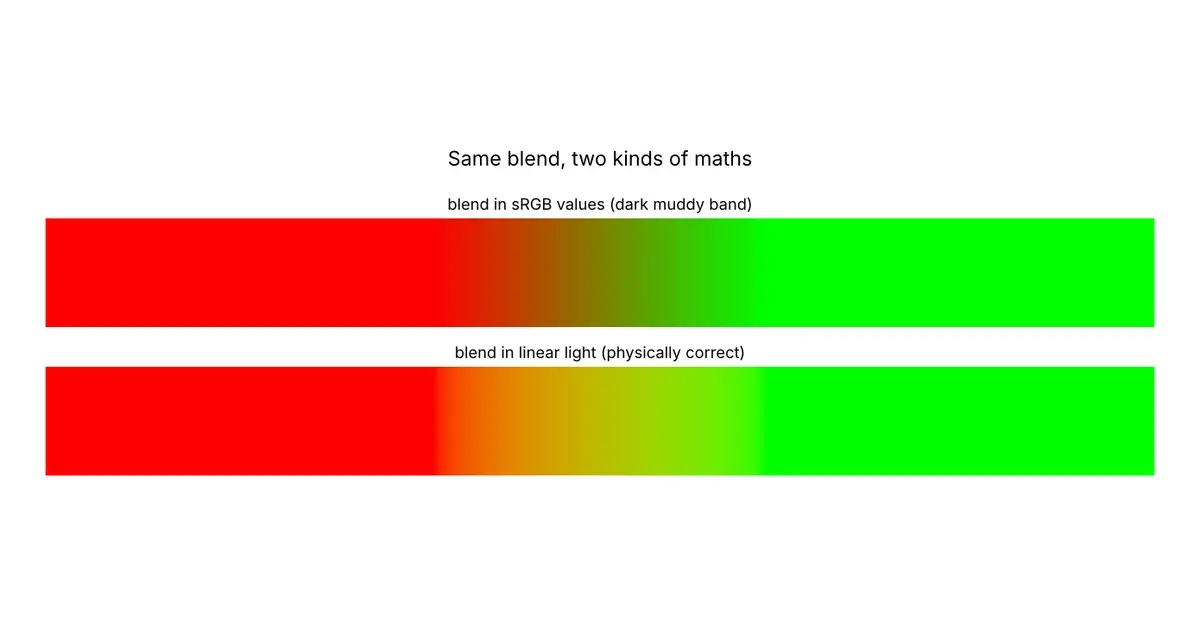
Colour for beginners: why pixel values are not amounts of light
Averaging red and green in sRGB gives a colour darker than both. sRGB 0.5 is only 21% of the light. The linear workflow, explained with numbers.
Read →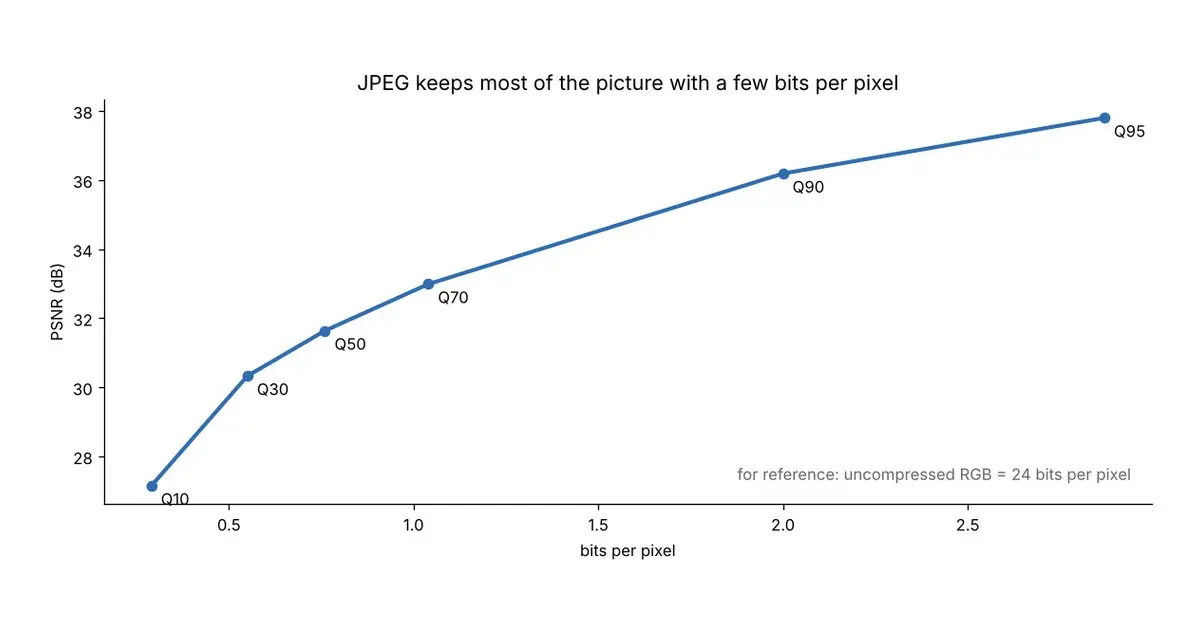
Compression explained: what JPEG and video codecs throw away
JPEG at quality 90 keeps 36 dB with 8% of the data; 95 costs 44% more for 1.6 dB. How compression works and how to choose settings, with measured numbers.
Read →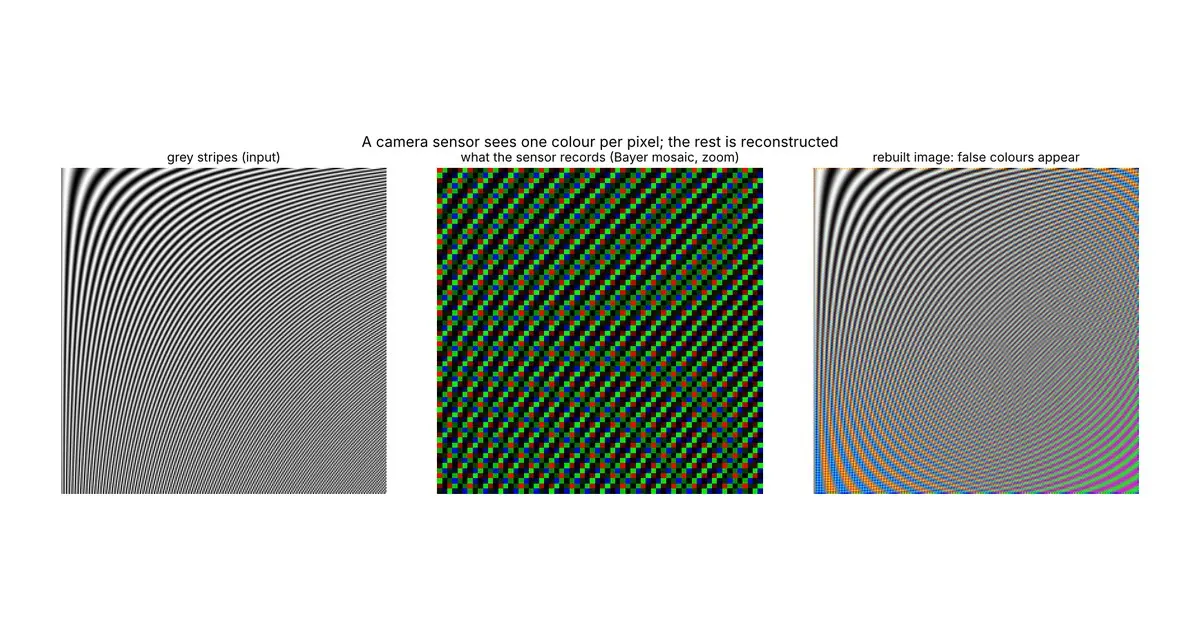
A digital photo is not reality: what your camera really records
A sensor records one colour per pixel; the rest is reconstructed. My Bayer-mosaic experiment shows false colours appearing in pure grey stripes, and five more ways a photo differs from the world.
Read →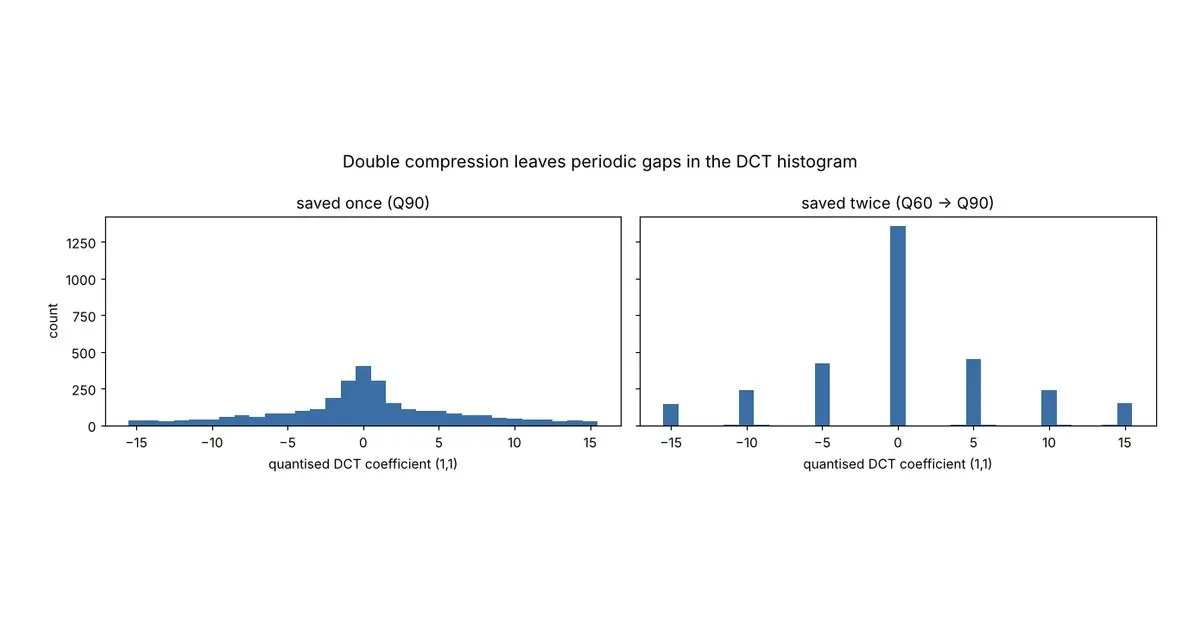
What double JPEG compression leaves behind, and what it does not prove
Saving a JPEG twice empties 41% of DCT histogram bins on average in my test, versus 0.1% for a single save. A measurable trace, but not proof of manipulation.
Read →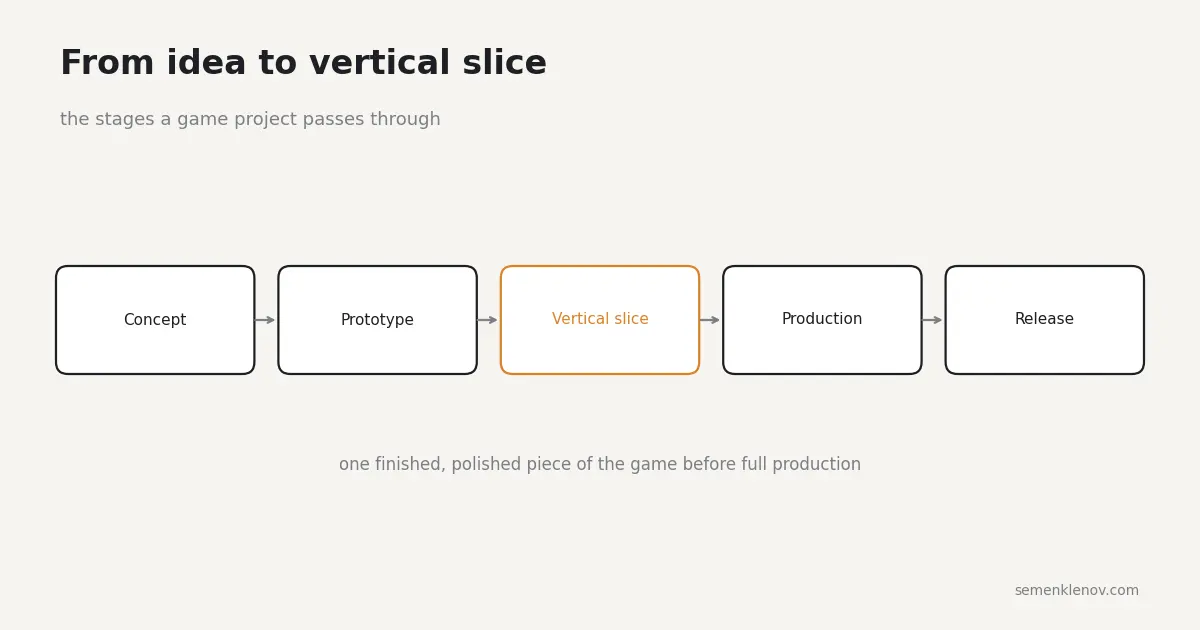
Making a game project: from idea to vertical slice
The stages studios use, from concept and ugly prototype to vertical slice and release, the MDA framework and rules for keeping a first game small enough to finish.
Read →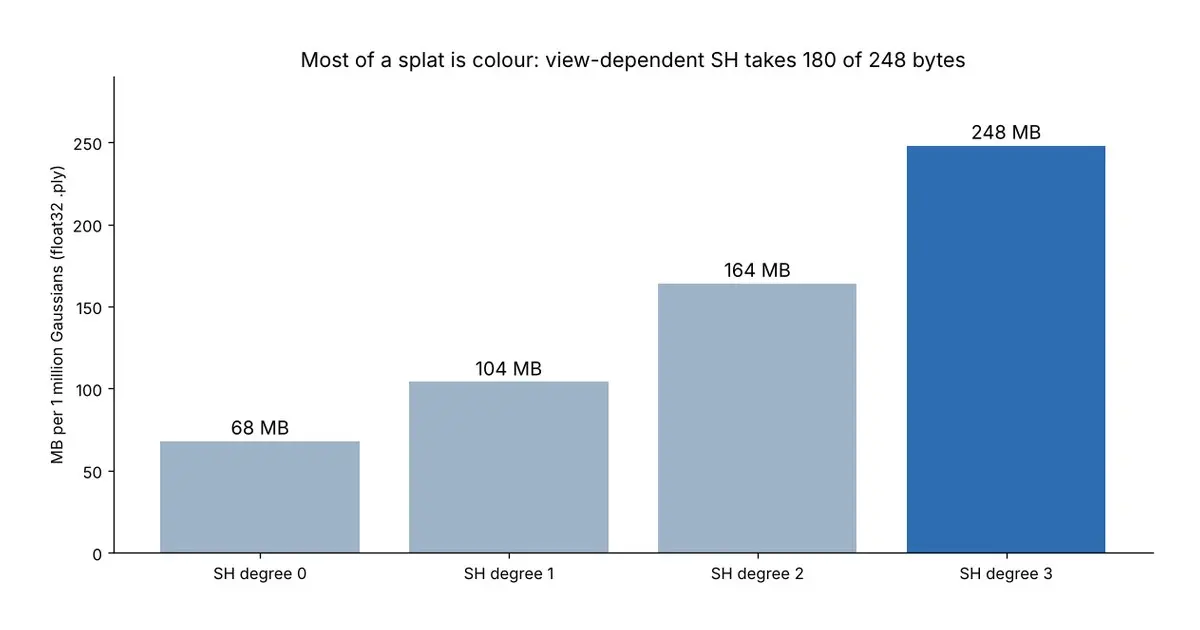
Gaussian splatting for artists: what a splat is and where the bytes go
From EWA splats to NeRF to 3D Gaussian Splatting, and a byte-by-byte look at the .ply format: 180 of 248 bytes per Gaussian store view-dependent colour.
Read →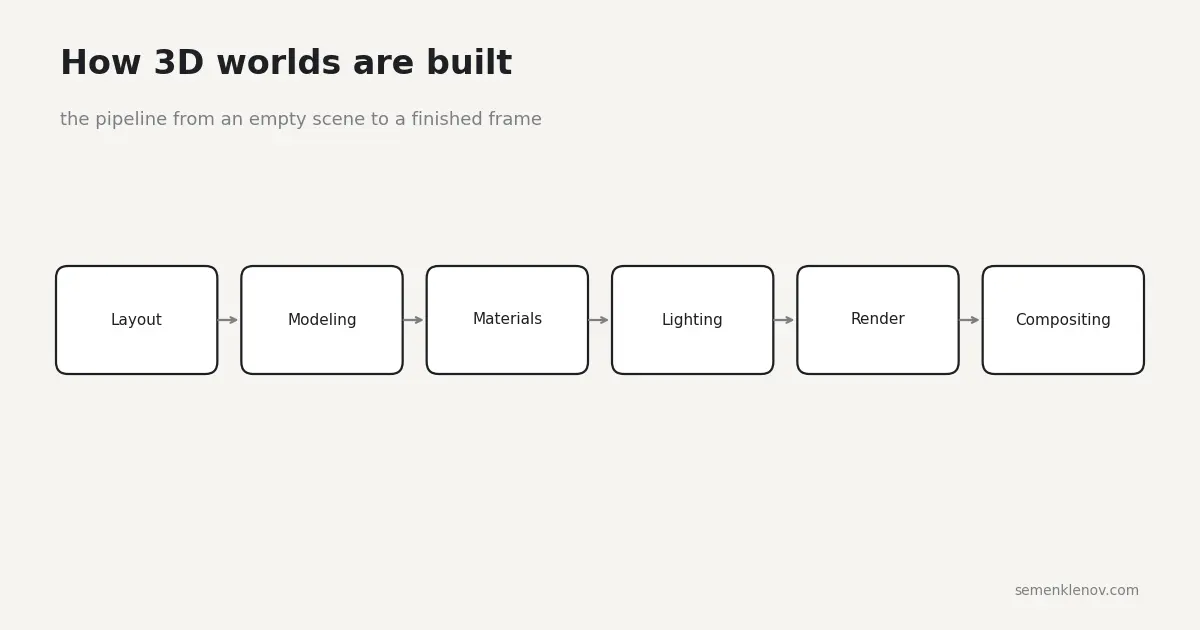
How 3D worlds are built: the pipeline from empty scene to final frame
Modelling, UVs, PBR materials, rigging, animation, lighting, rendering and compositing: the 3D pipeline explained for beginners, with the science underneath.
Read →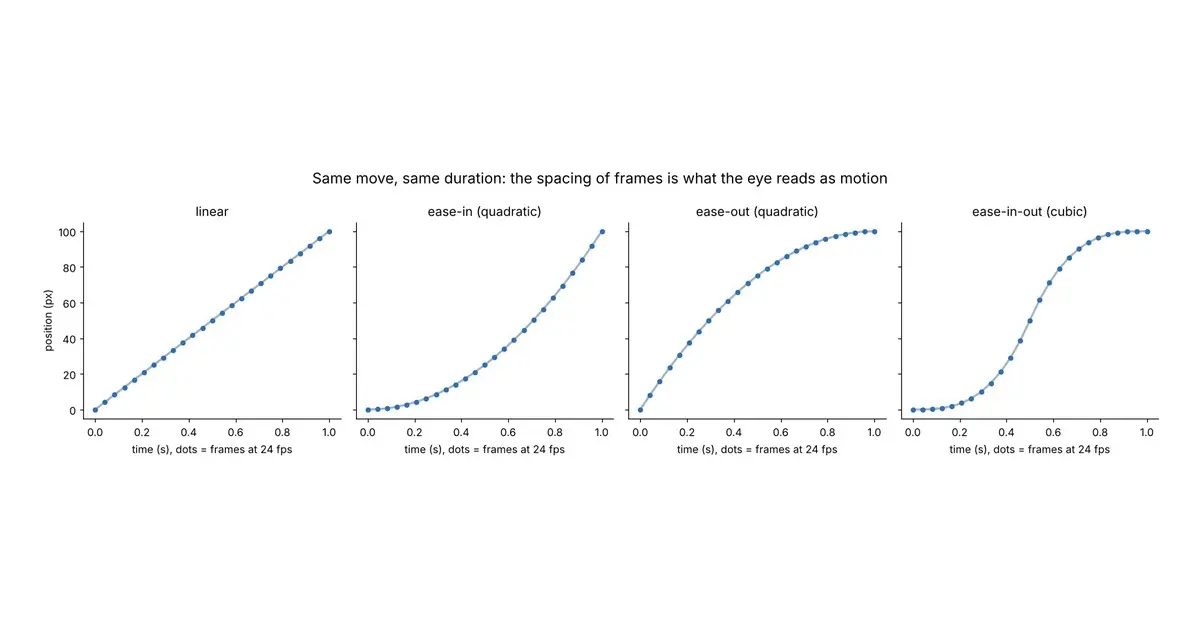
How motion design works: timing, spacing and easing
The same 100-pixel move in one second feels mechanical or premium depending on easing. Frame-by-frame numbers and the classic principles of animation.
Read →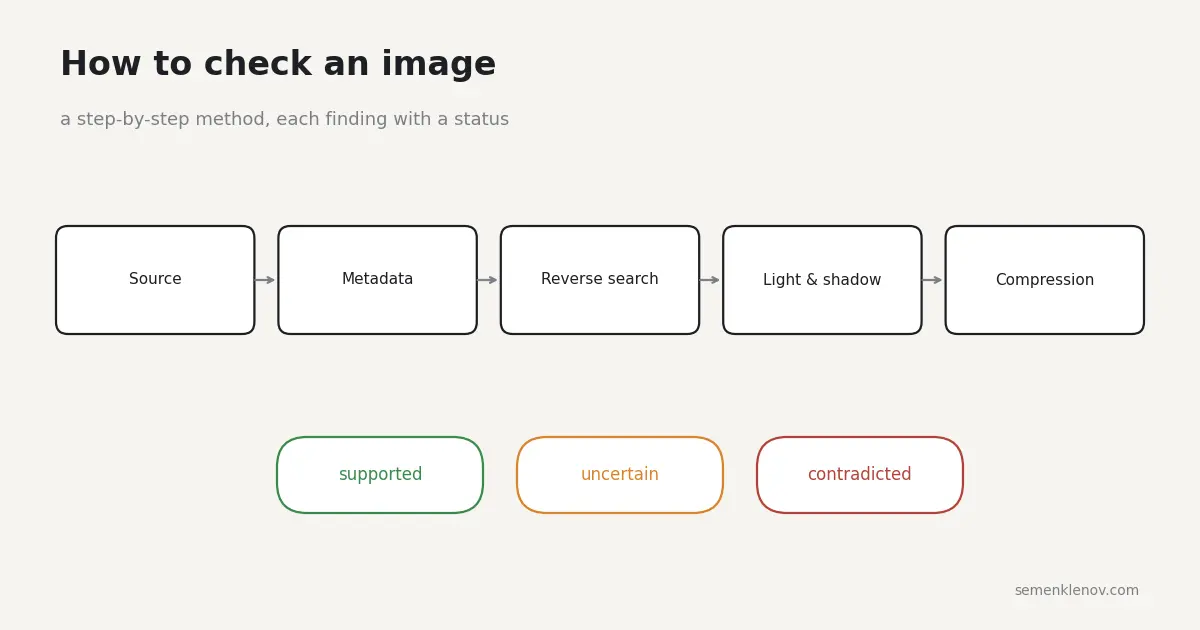
How to check an image: a beginner's method for visual evidence
No single tool says 'real or fake'. A four-level method: provenance, file traces, scene physics and content, with what each can and cannot prove.
Read →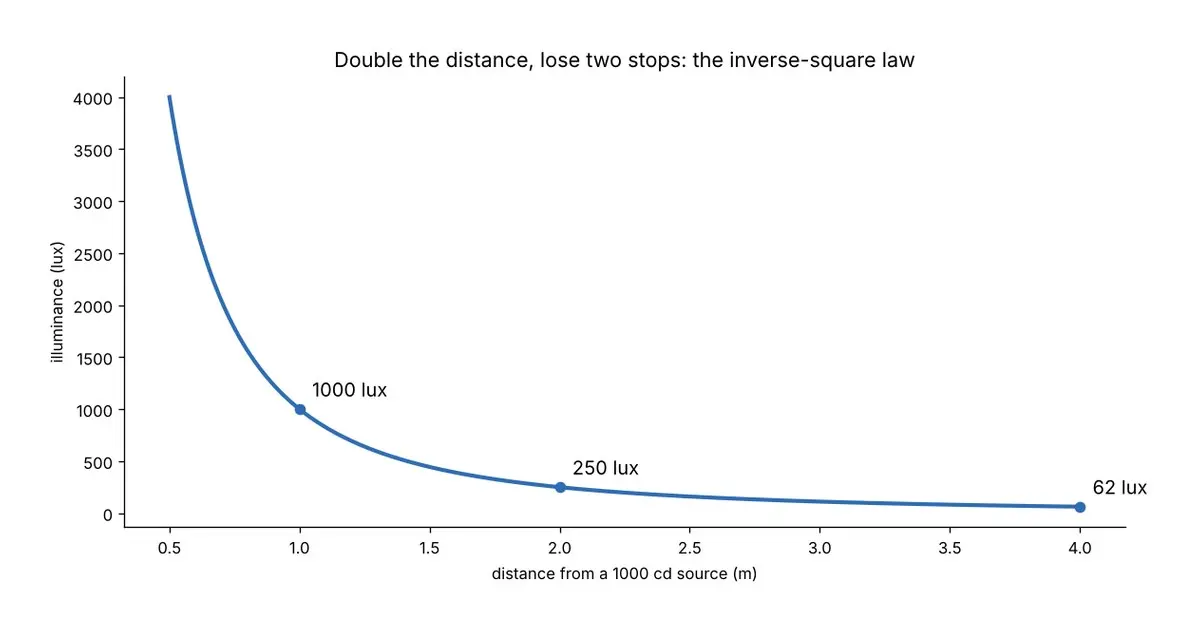
One light, two worlds: physical units from the film set to the render engine
Lux, candela, stops and mireds: the few relations that let a lit set and its digital double be matched by calculation, not guesswork.
Read →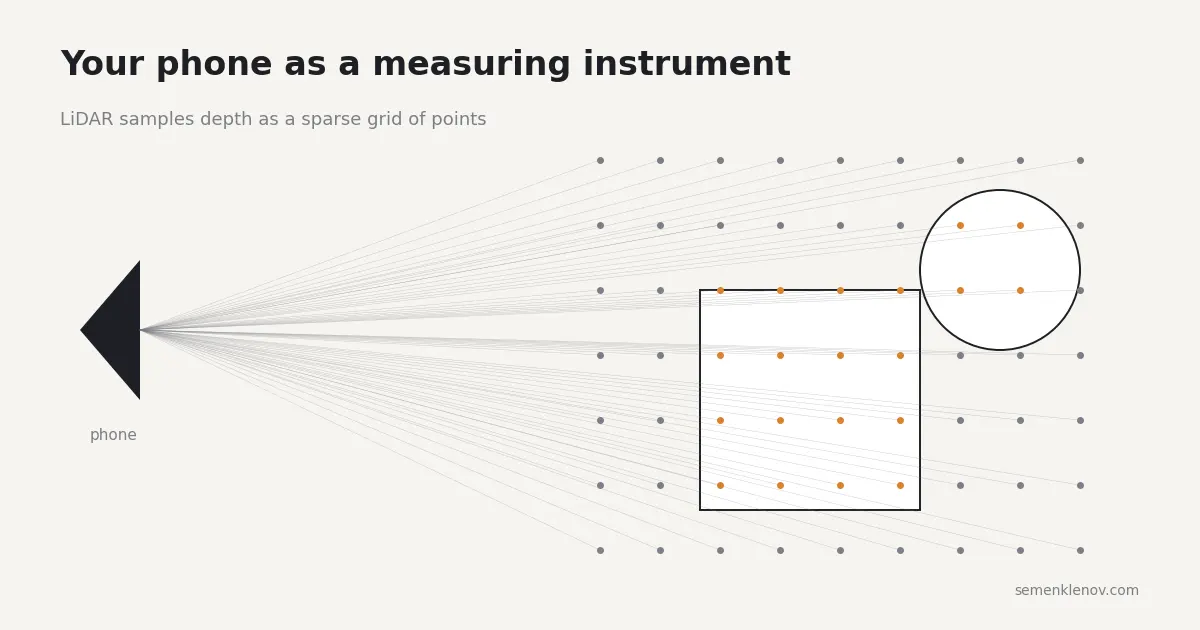
Your phone as a measuring instrument: what LiDAR can and cannot do
Peer-reviewed numbers for smartphone LiDAR (±1 cm on small objects, 5 m range) and the test protocol I will run on my iPhone 16 Pro before trusting it.
Read →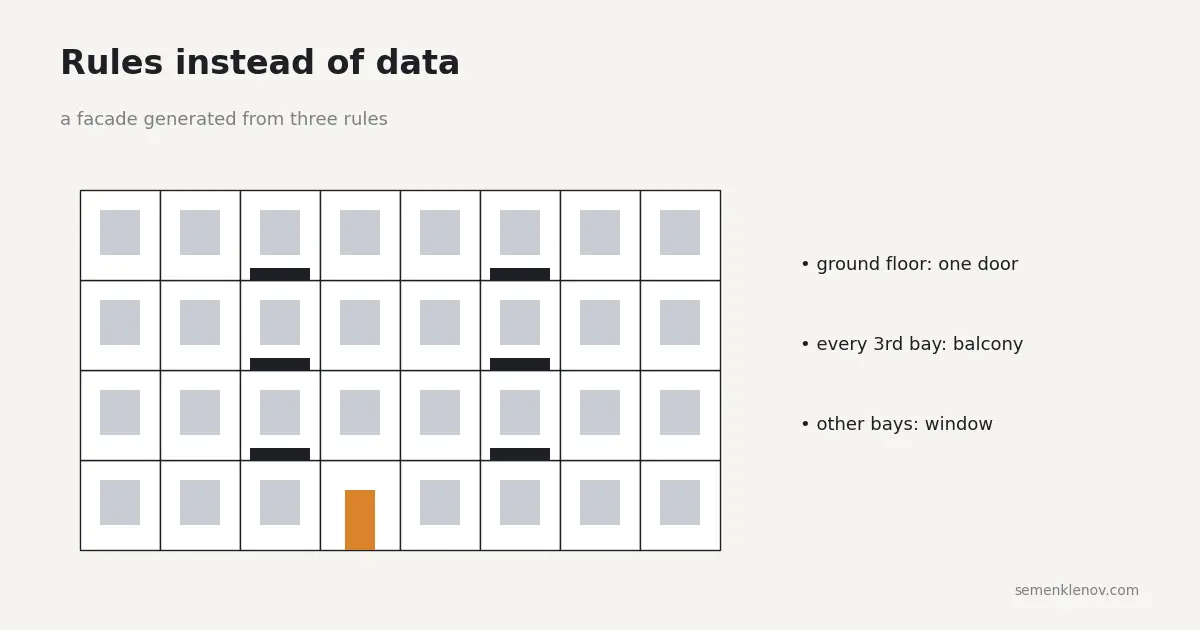
Rules instead of data: the science behind procedural buildings
From shape grammars to CGA shape: why I build my Houdini building generator from rules, and how grammar steps map onto a node graph.
Read →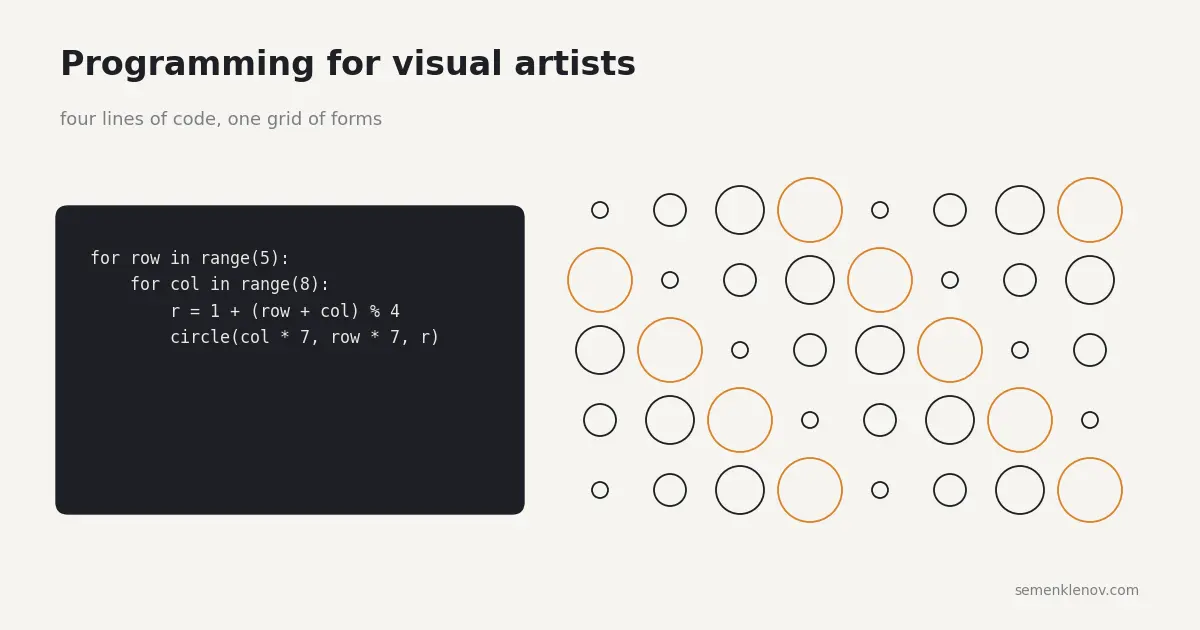
Programming for visual artists: why code is part of the craft now
Five programming ideas that matter for designers, and an experiment where the same algorithm runs about 49 times faster when written as array code.
Read →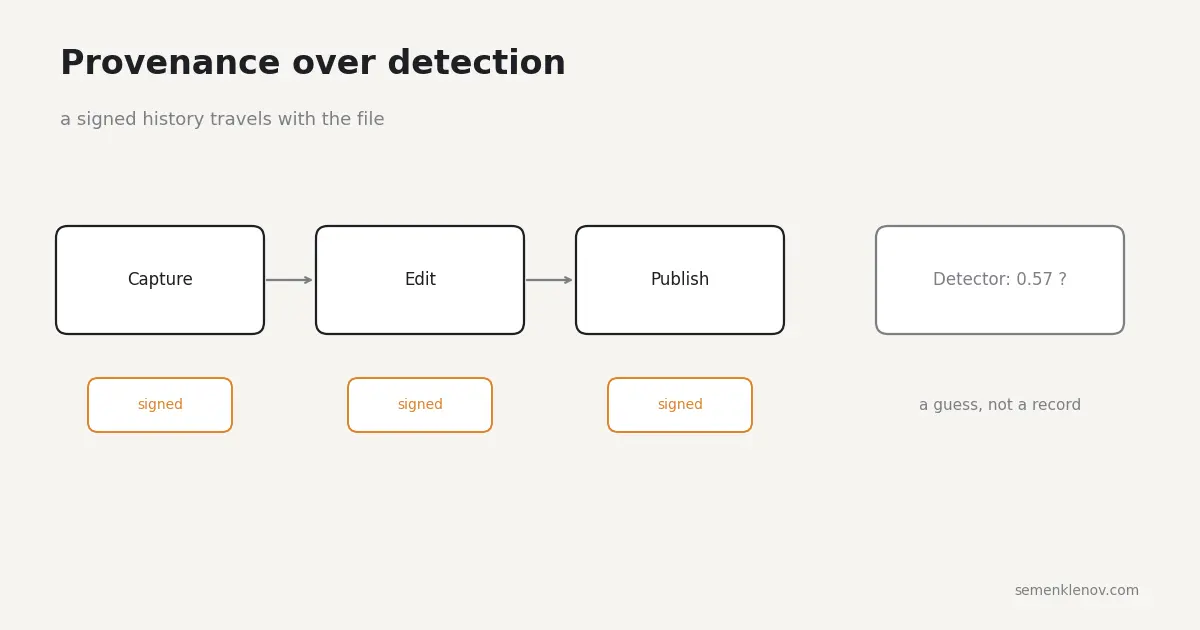
Provenance over detection: what C2PA Content Credentials can and cannot prove
Detectors guess an image's history; provenance records it. What a signed C2PA credential proves, what it does not, and how both belong in one honest report.
Read →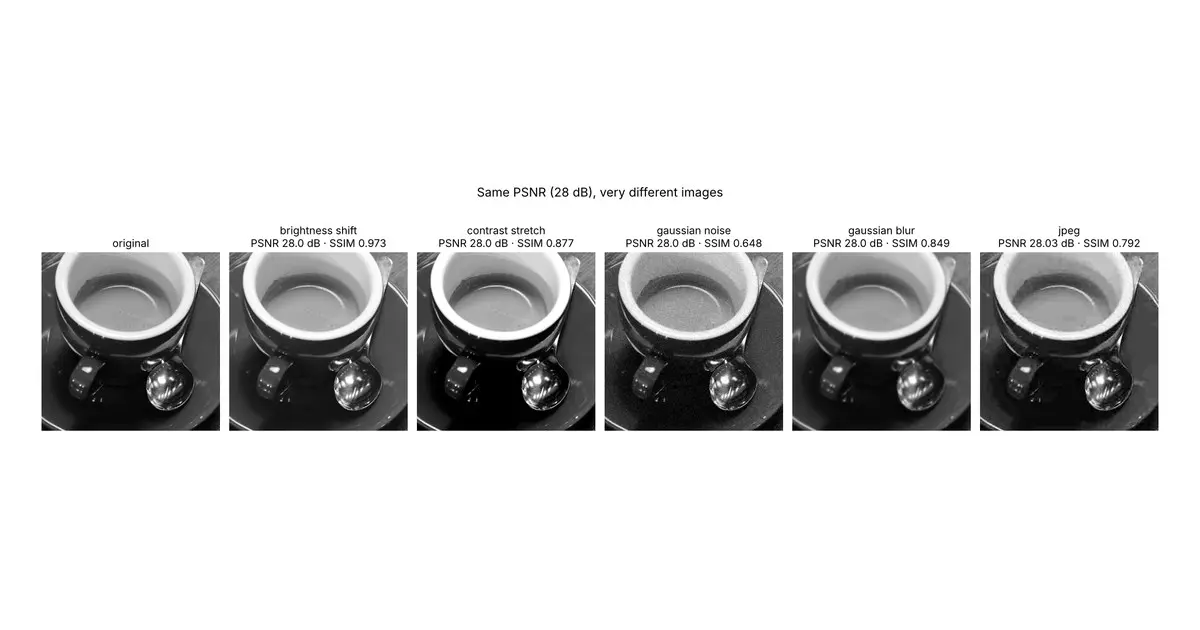
PSNR is not what you see: one score, five very different images
Five distortions tuned to the same 28 dB PSNR give SSIM from 0.50 to 0.998. Why reconstruction and rendering results need more than one number.
Read →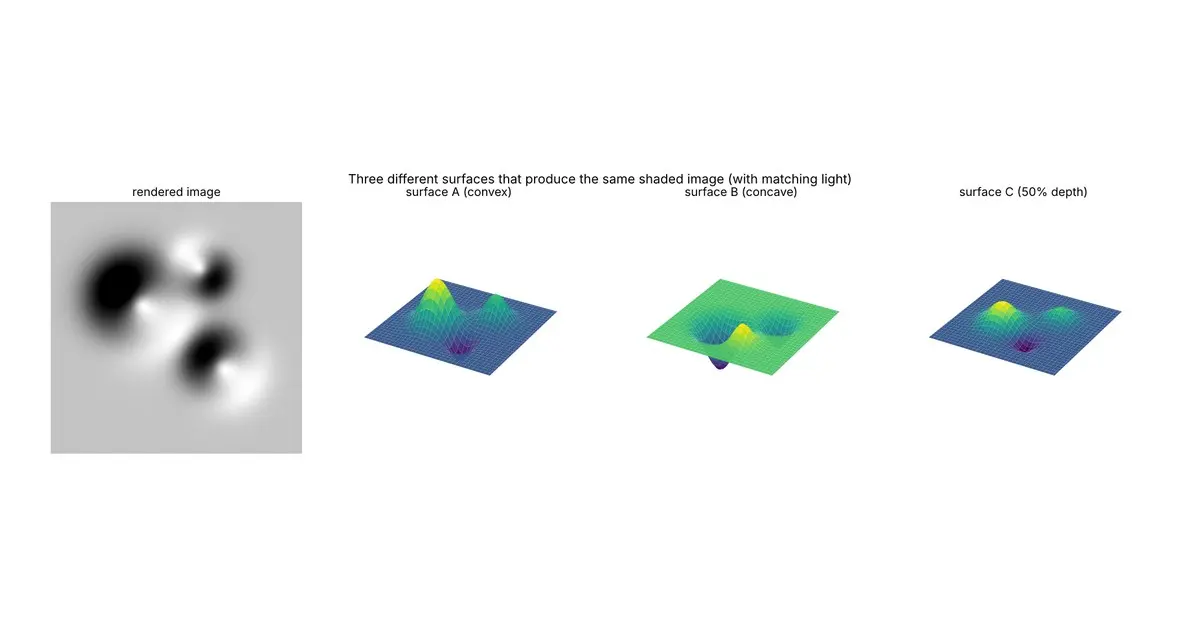
One photo, many surfaces: why single-image 3D is an ill-posed problem
A small experiment shows that a convex shape, its concave twin and a half-depth relief can produce the same shaded image, and what single-image 3D has to add to break the tie.
Read →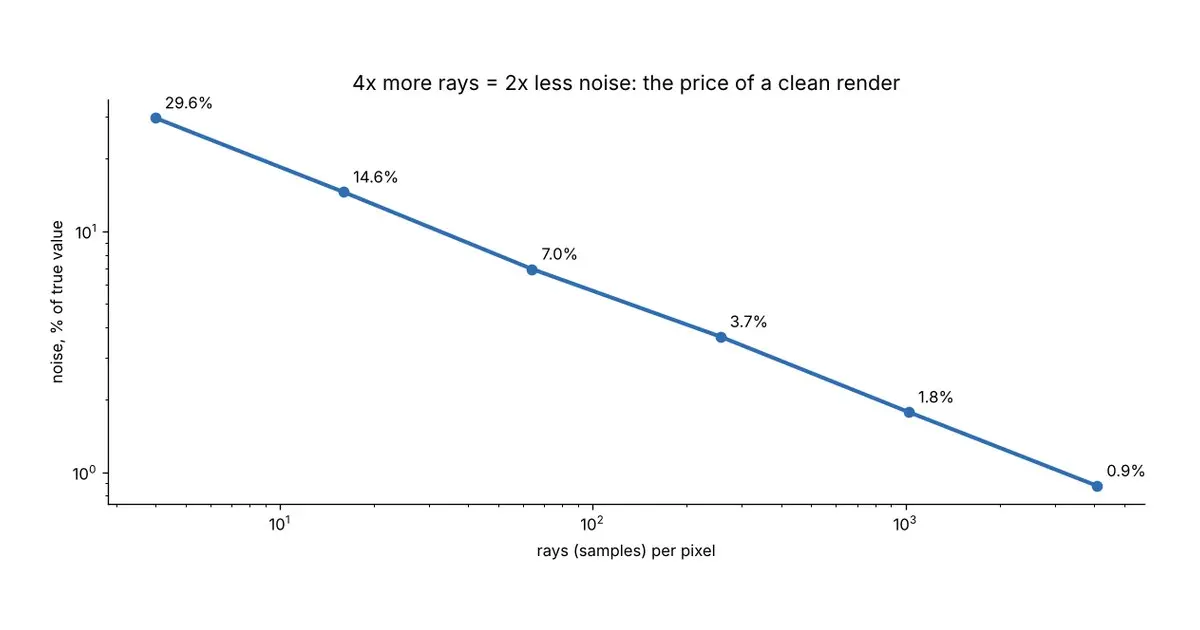
Why renders are noisy: the square-root law of path tracing
Four times more rays halve the noise: an experiment from 4 to 4,096 rays per pixel, rasterisation vs path tracing, and how the industry beats the square root.
Read →
Can a feeling be measured? The question behind Qualia
Why 7K Research studies feelings: what is known about emotion, where the open question lies, and the working hypotheses behind the research.
Read →
The struggle for attention: man as an imperfect program
Is every choice really free? How the brain's built-in settings are used by news, advertising, cinema and algorithms, and what a single question, why, can change.
Read →
The attention economy, visual trust and the role of the expert in the AI era
How the convergence of IT, media and marketing changes the logic of digital production: AI, the expert's responsibility and the visual as an interface of trust.
Read →